I began my private practice after relocating to Athens, Ohio at the end of 2024. Shin Book & Paper Conservation is a studio dedicated to the conservation and preservation of books and flat papers. I work with libraries and archives, and individuals to care for and safeguard collections, honoring their history and intended use. My practice follows the American Institute for Conservation (AIC) Code of Ethics and Guidelines for Practice, ensuring all treatments meet the highest possible standards in preservation, respecting cultural significance, and using safe, reversible methods. Ethical practice and advocacy for preservation guide all my actions.
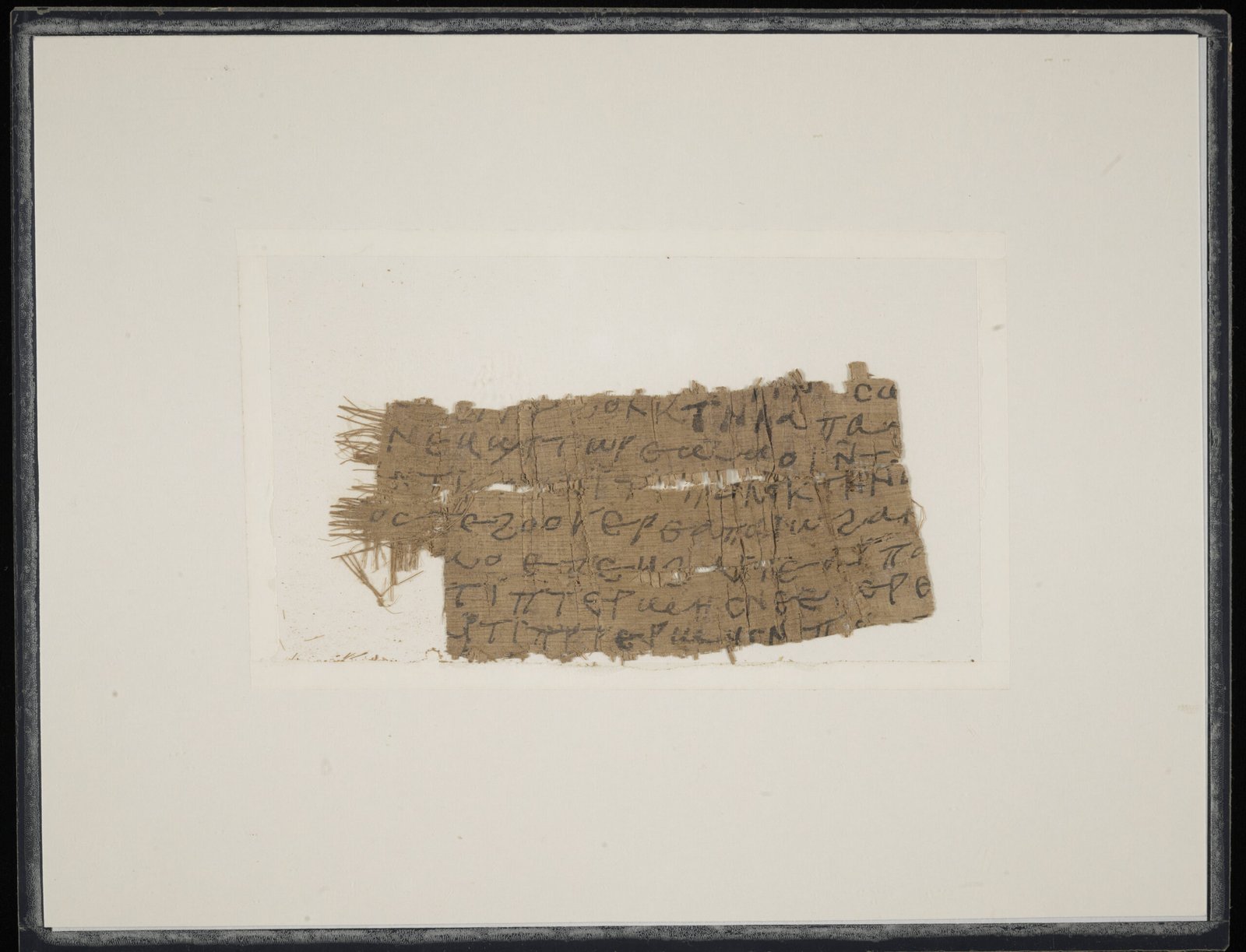
Eighty-seven items from the Gilbert and Ursula Farfel Collection of Incunable and Manuscript Leaves were stabilized and rehoused in preparation for digitization. While the collection is primarily composed of flat paper leaves, it also includes palm leaves, a piece of papyrus, and a parchment leaf. The materials span a wide range of time periods—from the medieval era to the 20th century—and originate mostly from European countries, with some items from Asia. The items I treated were still in their original enclosures as received by the library, many requiring careful removal from old housings by removing hinges and tapes.
Three papyri and three palm leaves were treated and rehoused due to their fragile condition and unsuitable previous enclosures. Each item was removed from its old housing and underwent conservation treatments including blotter washing, fiber realignment, reinforcement, and tape removal. Following treatment, they were housed in a custom enclosures, ensuring safe handling for classroom and research use, as well as long-term storage.
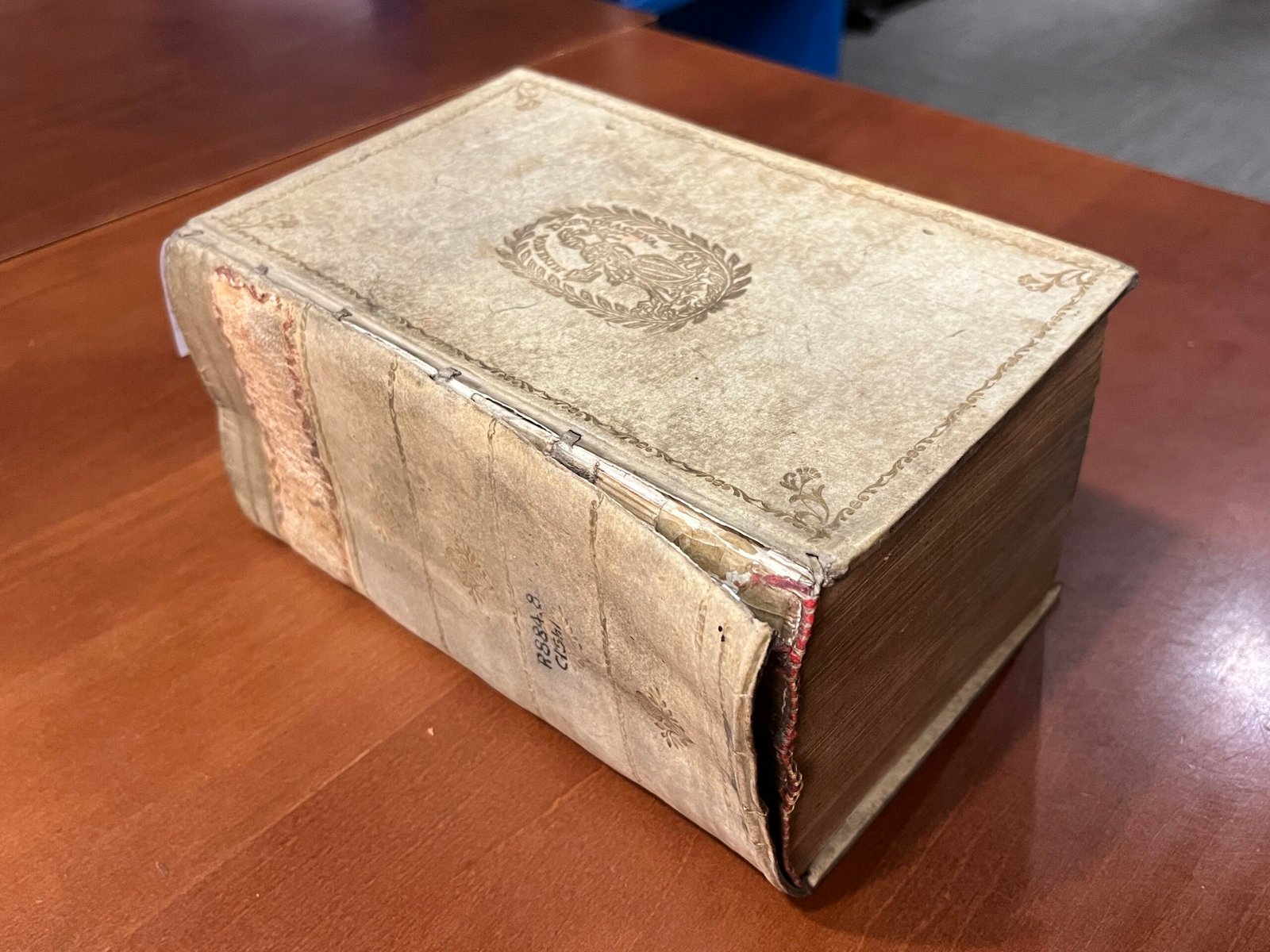
Six books in need of binding repair were selected by the Rare Book Librarian. The volumes range from the 16th to the 19th century and include both parchment and leather bindings. They required a variety of treatments, including rebacking, board reattachment, hinge reinforcement, and spot-sewing. The primary goal of the project was to improve accessibility while preserving the original binding features.