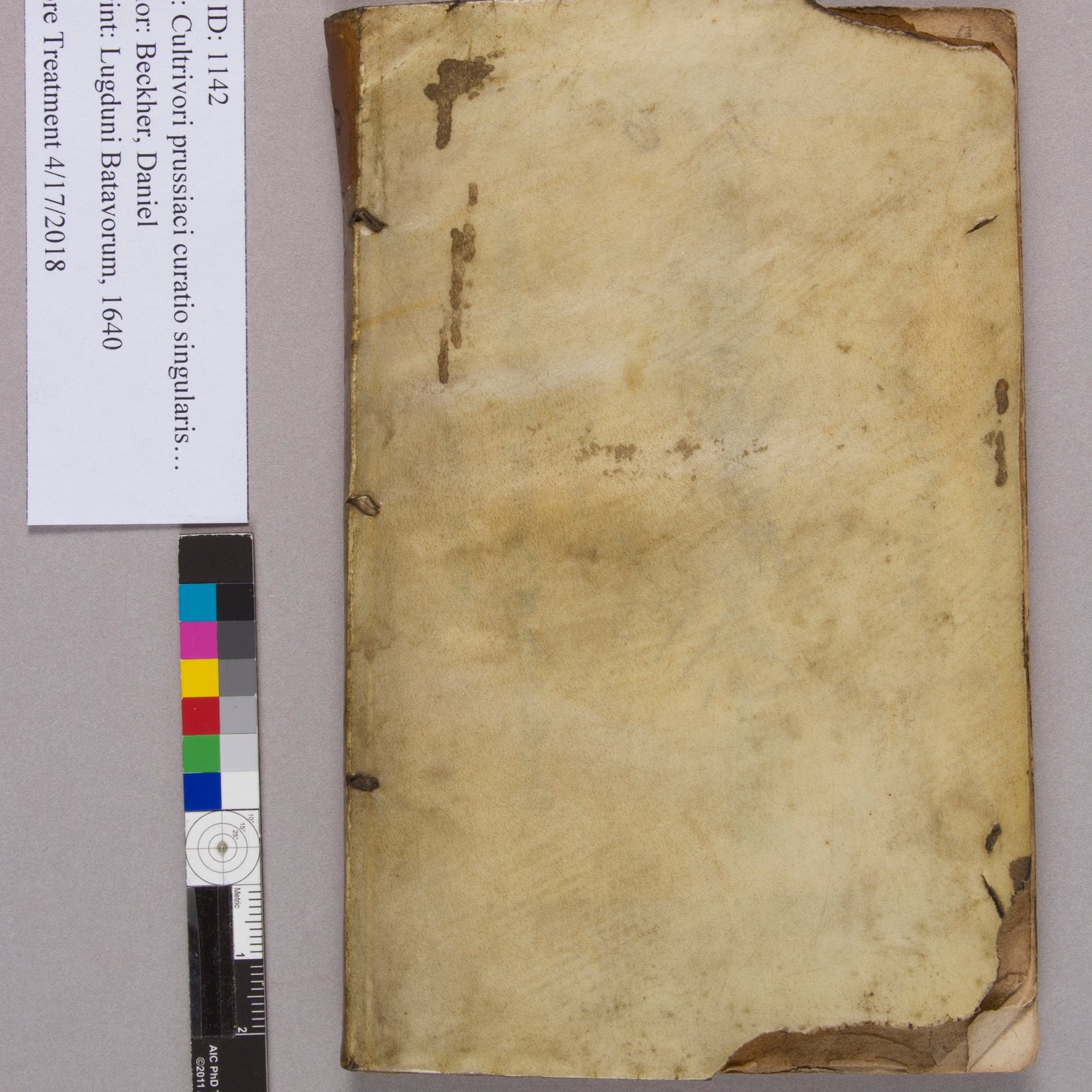
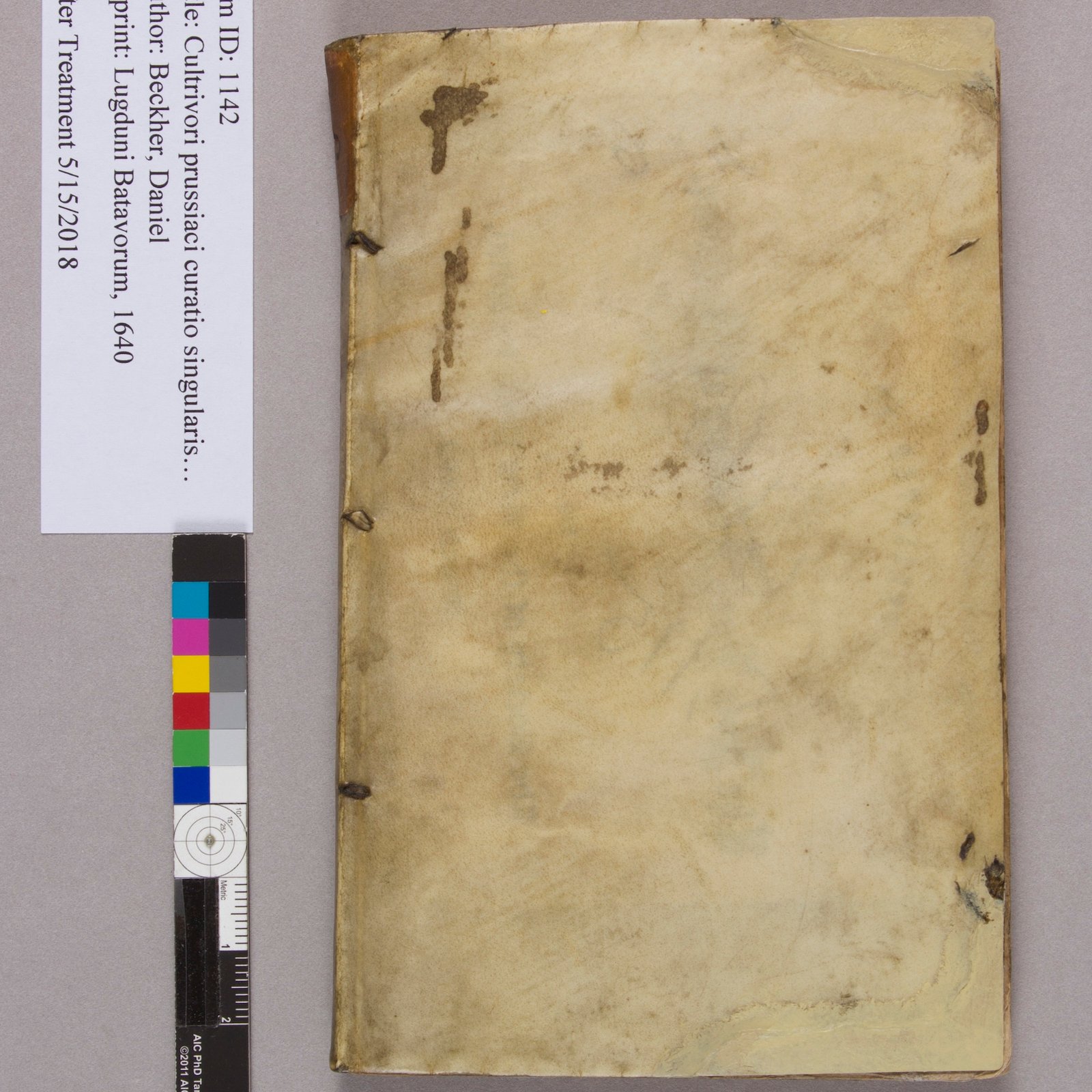
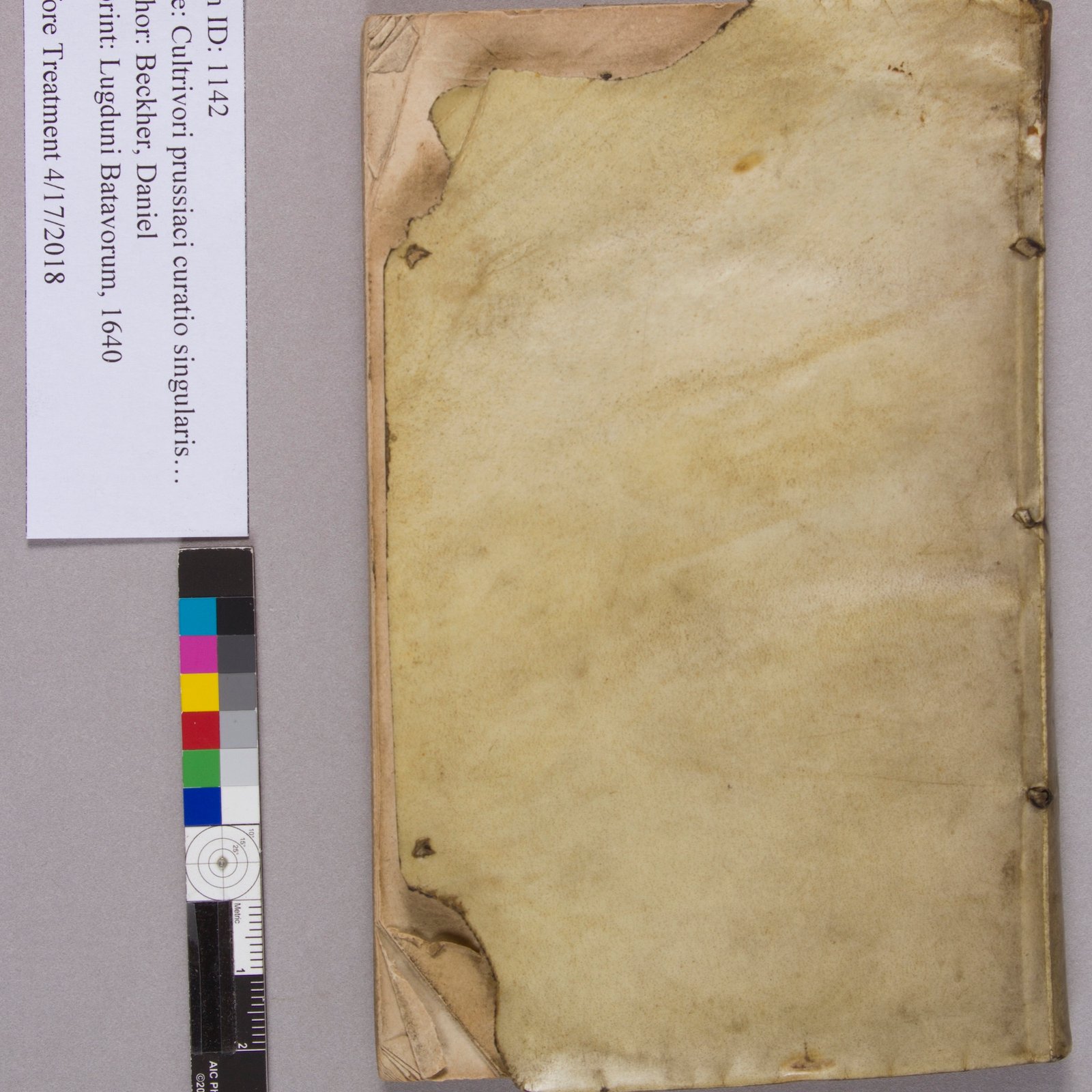
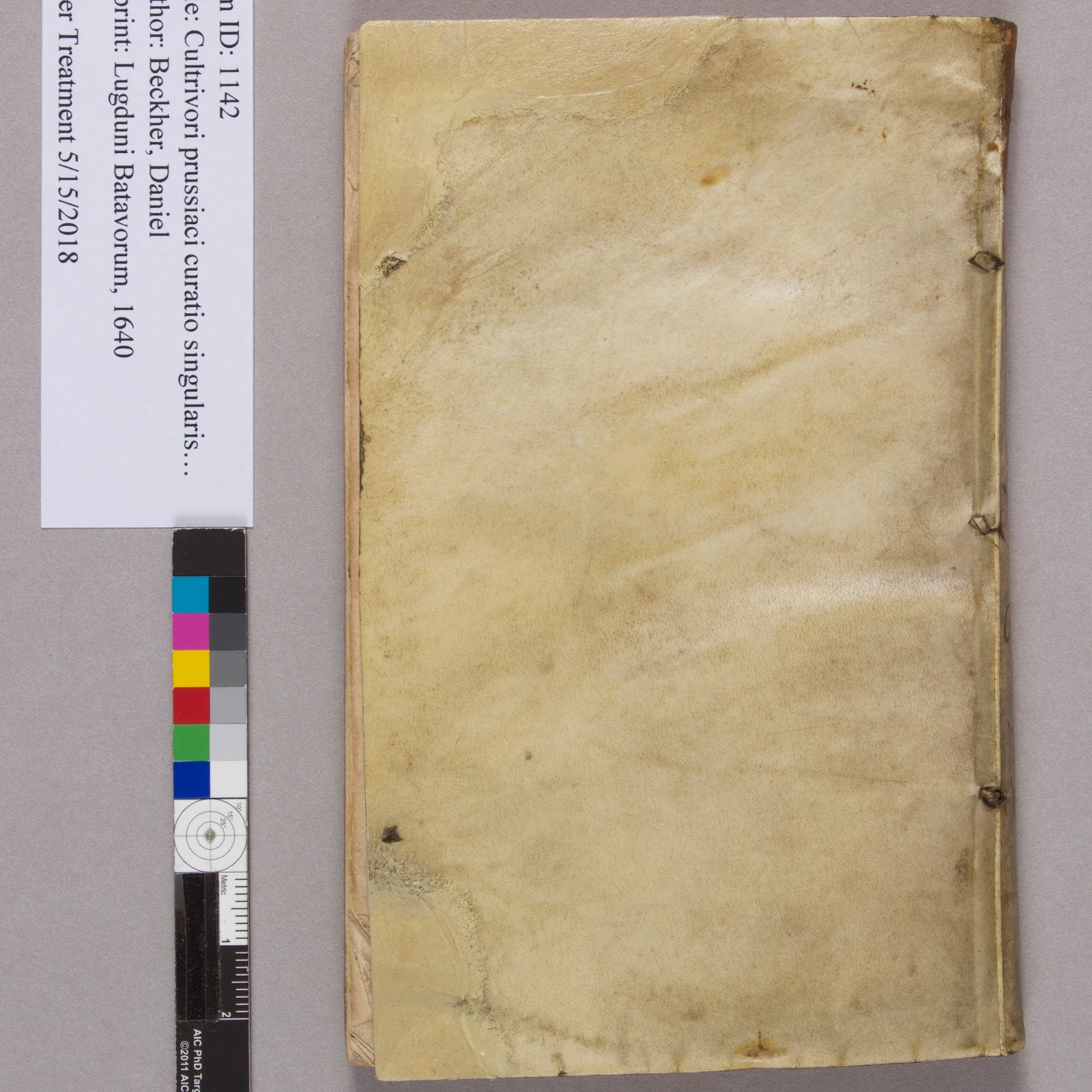
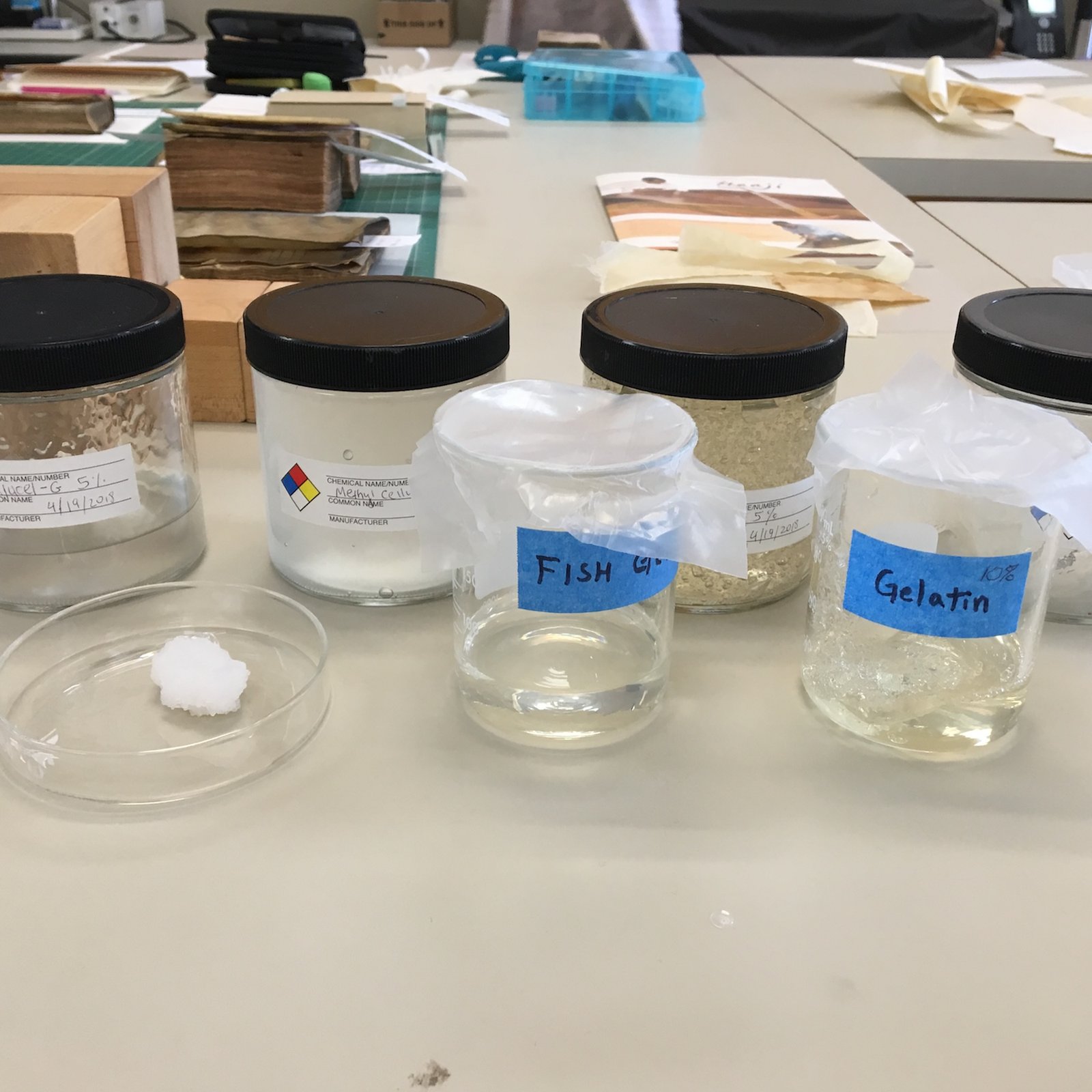
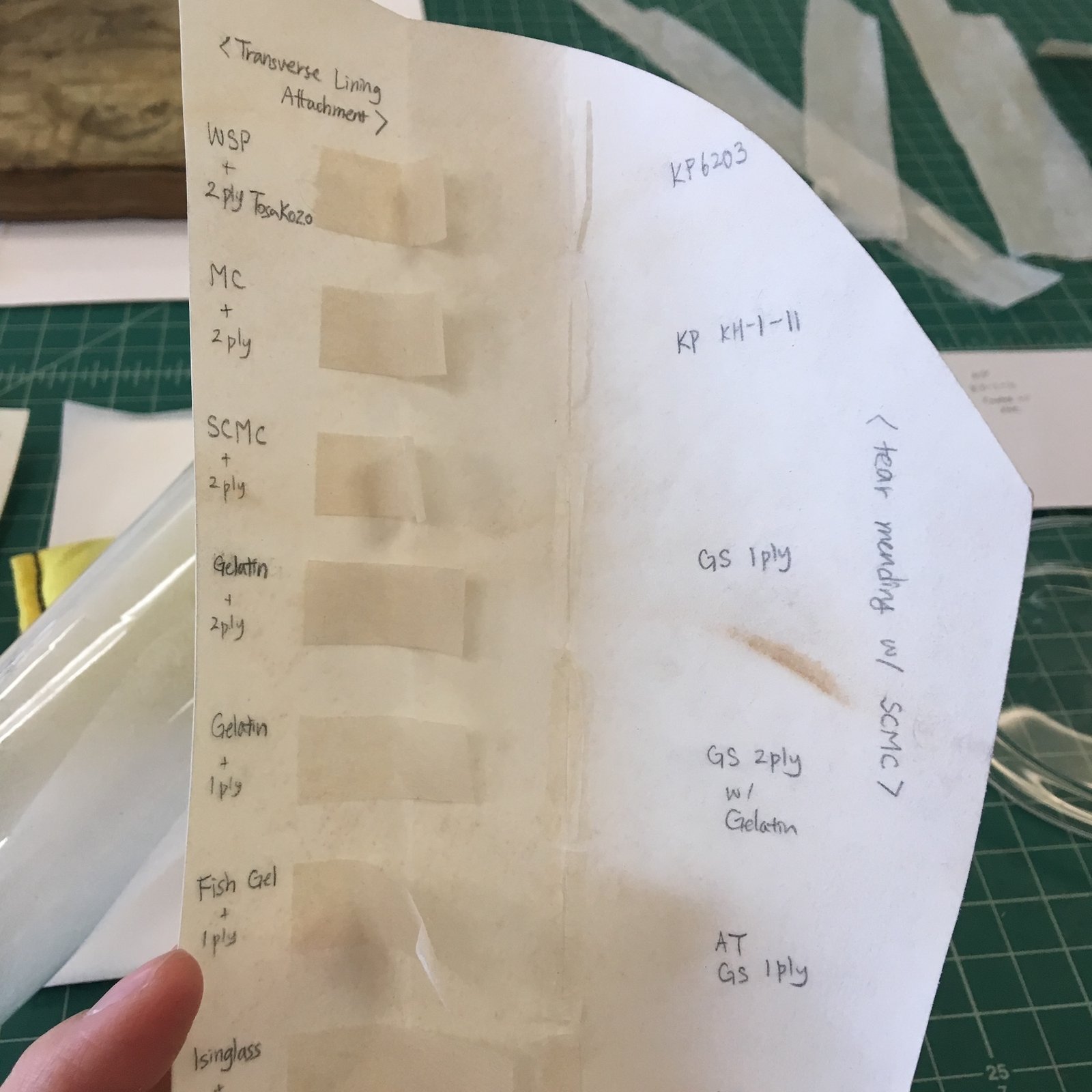
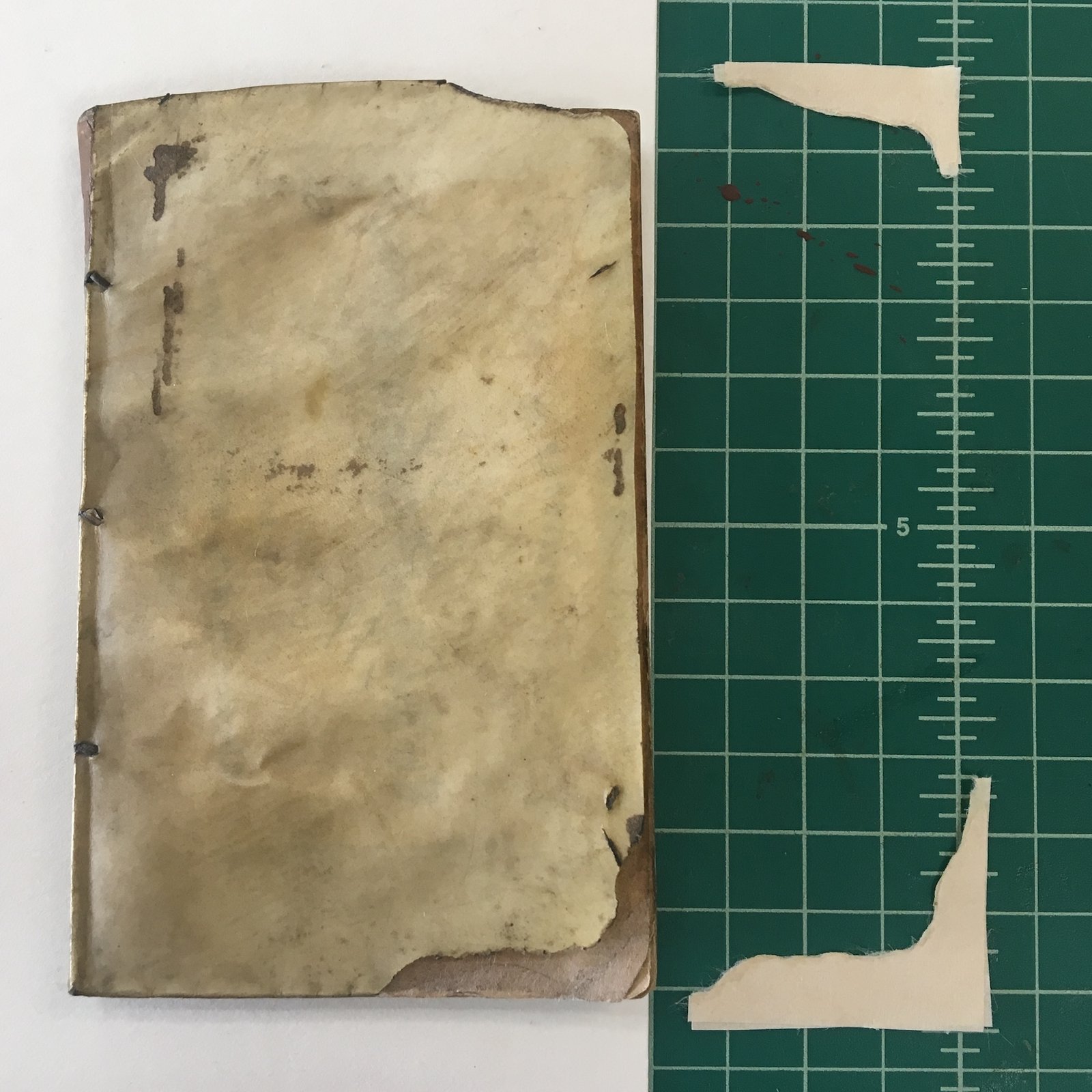
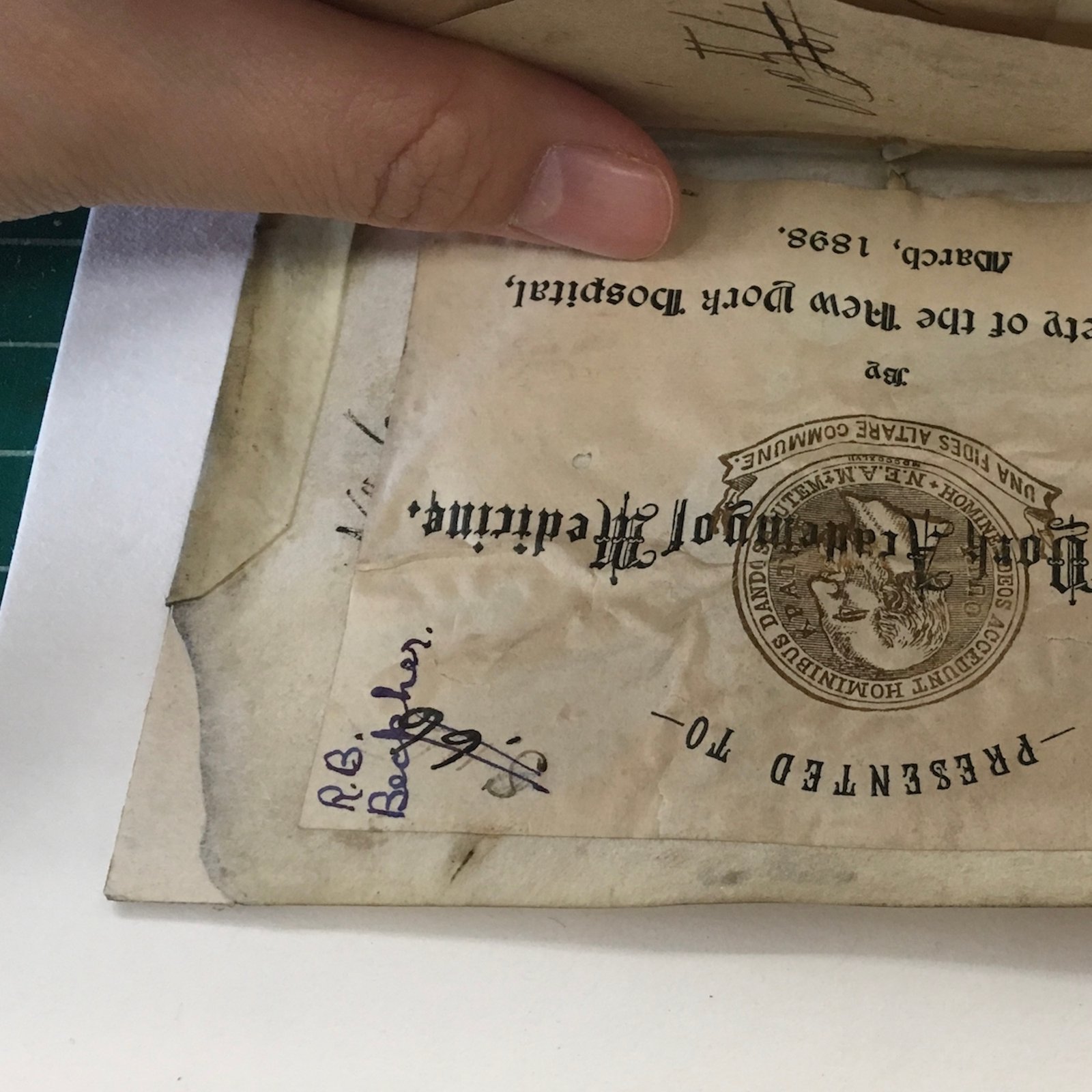
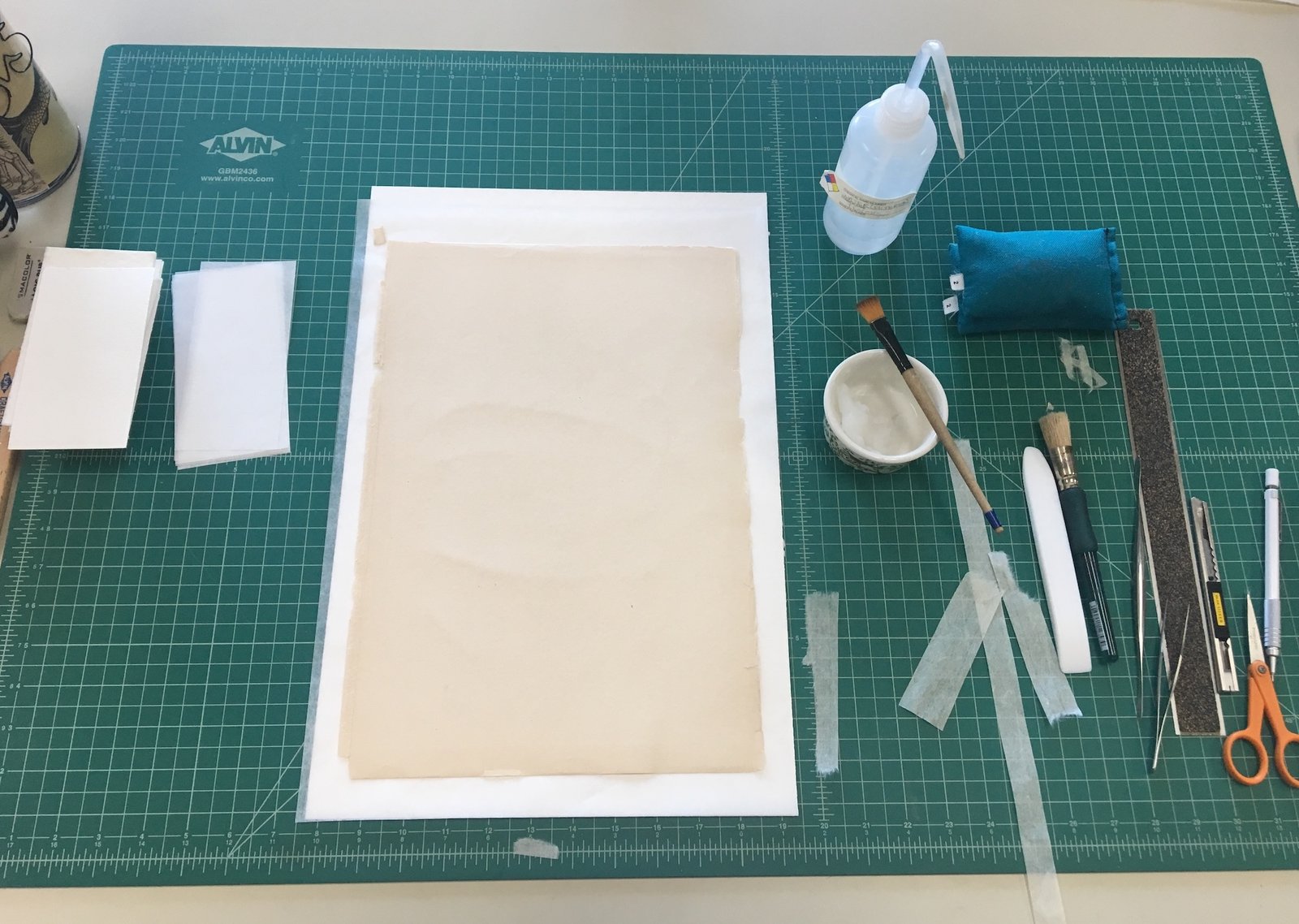
About the treatment: Scott Devine, Kate Bator, and I worked on a conservation project of 12 parchment bindings from the Winthrop Collection from April to May 2018. First, we documented the condition and damages observed in each binding. A variety of adhesives and repair materials were prepared and experimented on sample parchments.
Adhesives: Zen Shofu wheat starch paste | Isinglass | Fish gelatin | Gelatin mousse | Lascaux
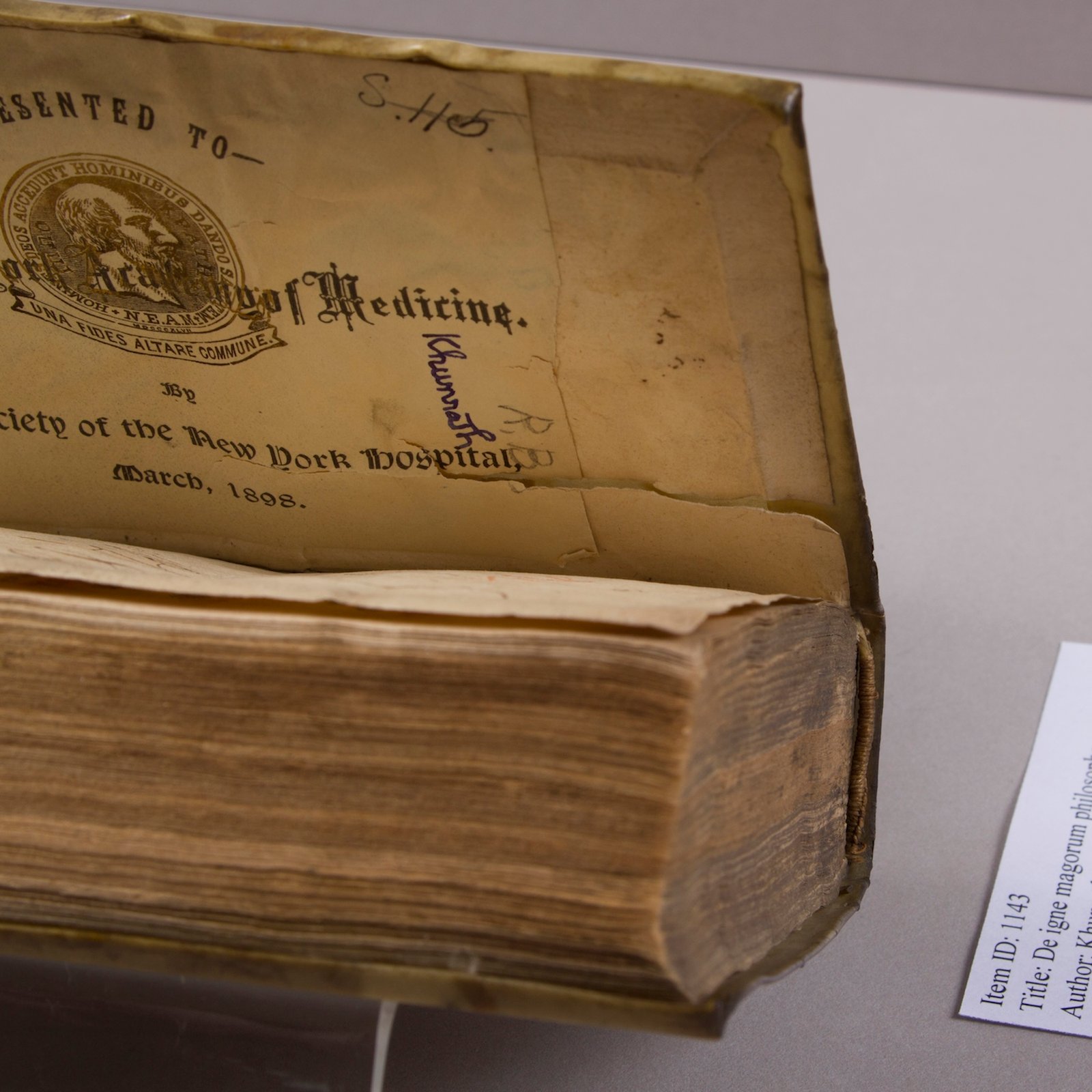
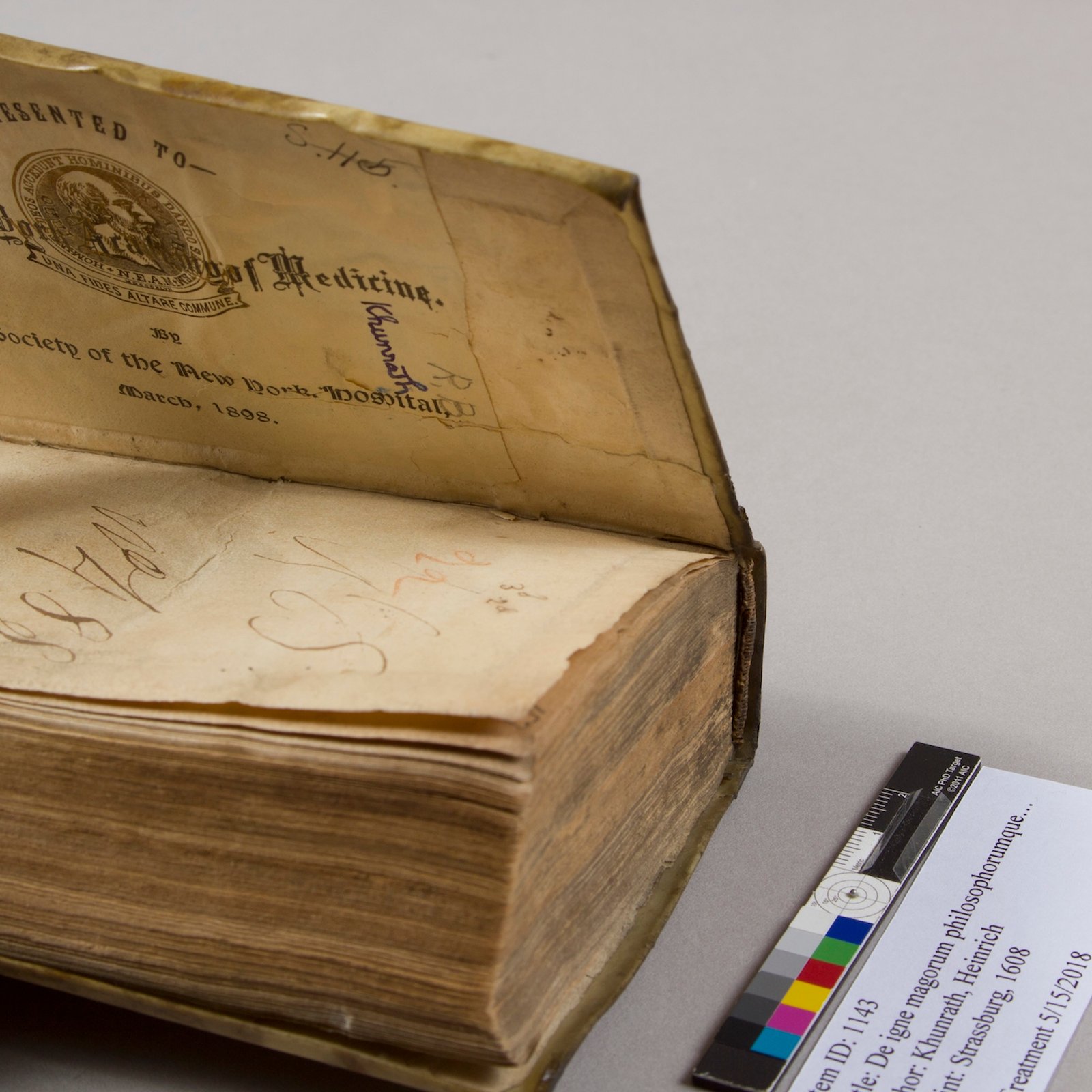
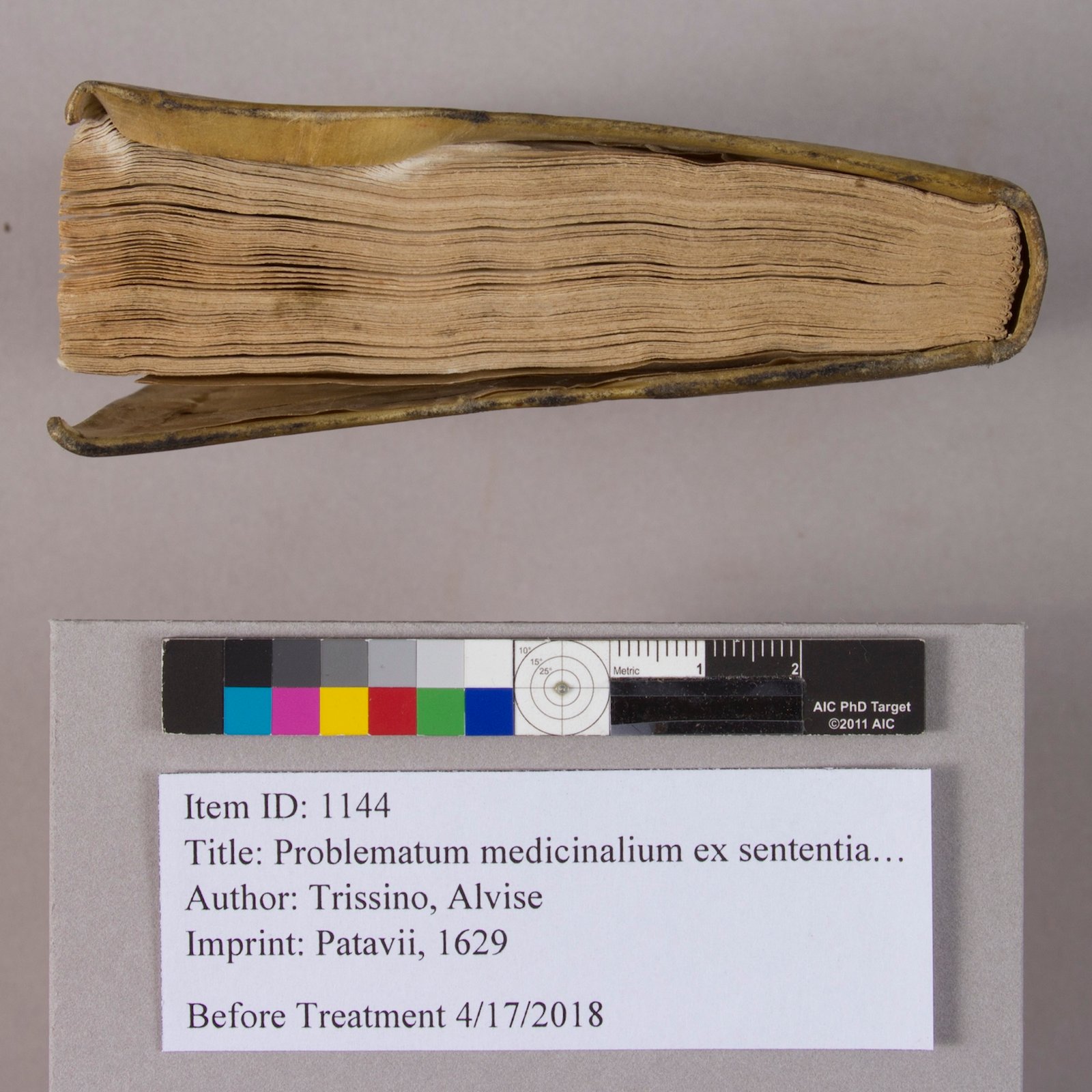
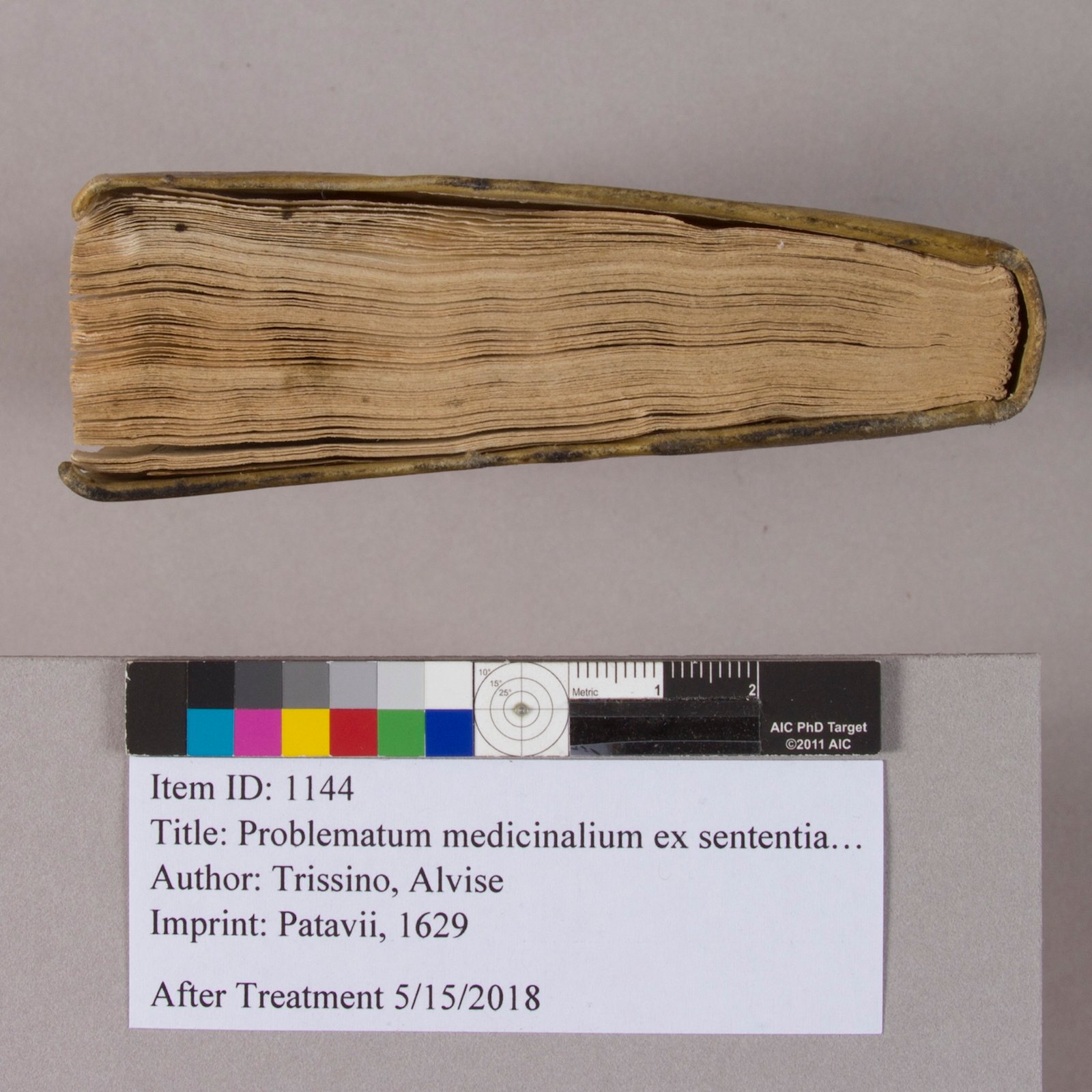
I treated three books, which involved filling losses (#1142), humidification and flattening of deformed parchment (#1143), and reattachment of pastedown sheet (#1144).
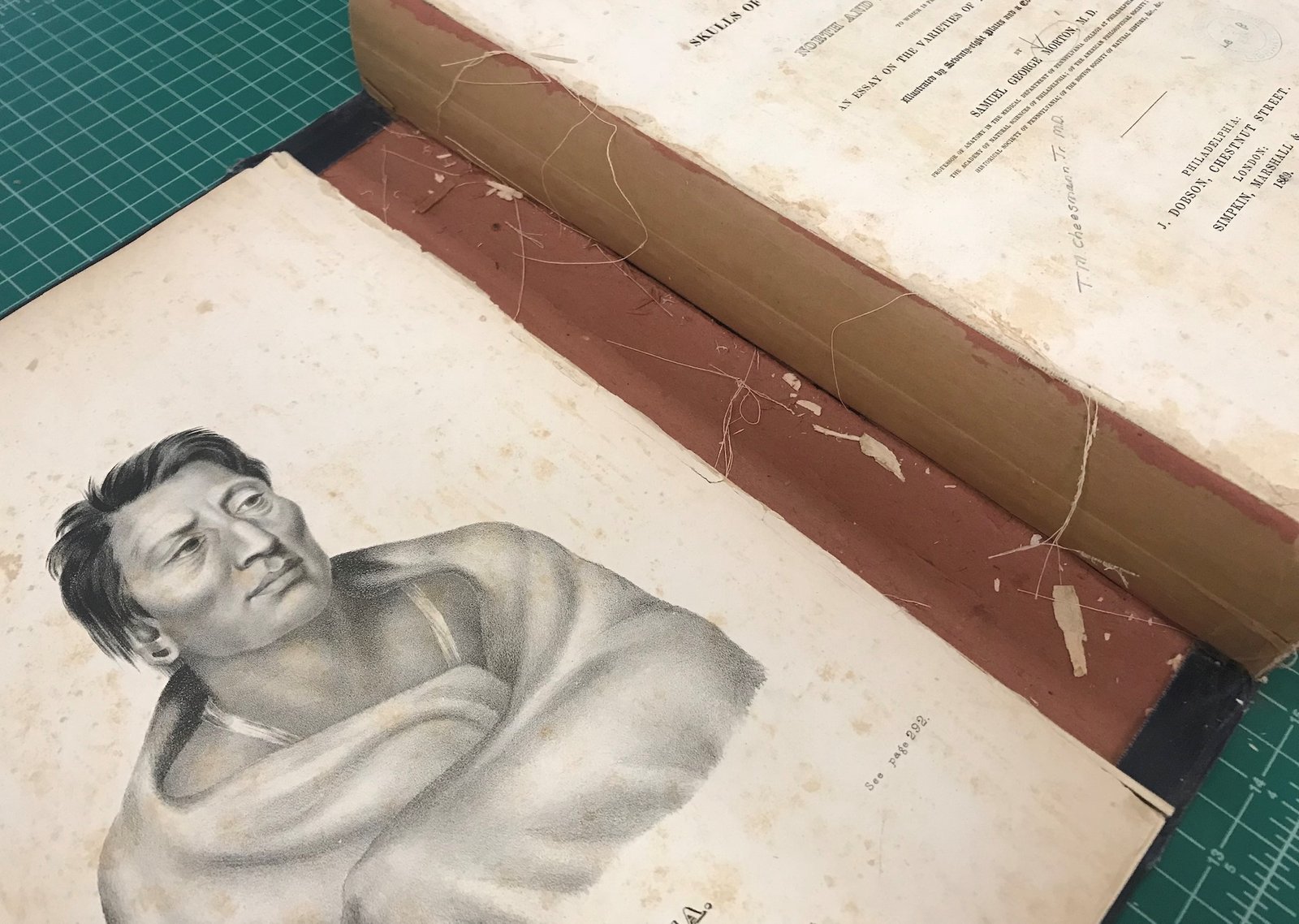
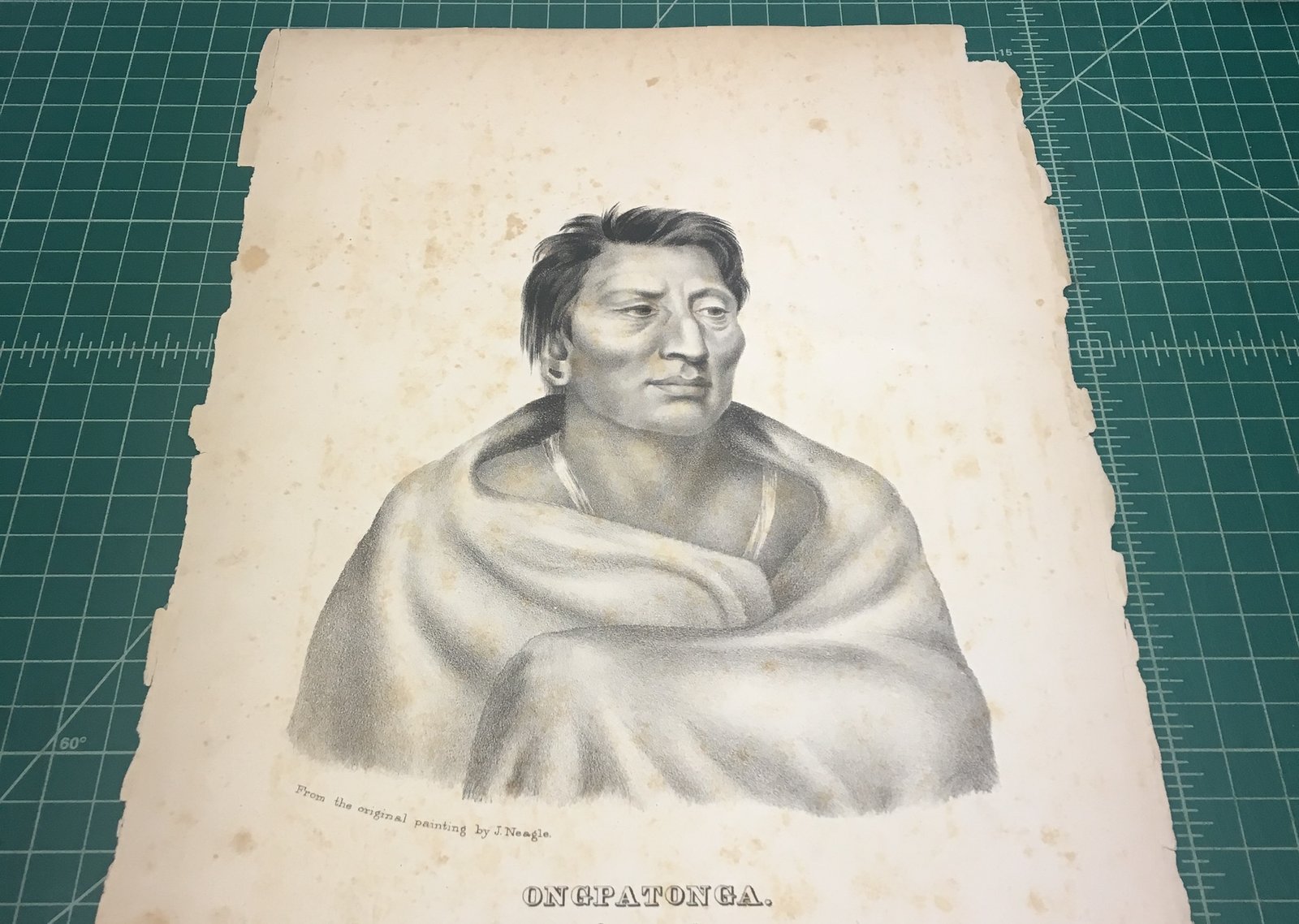
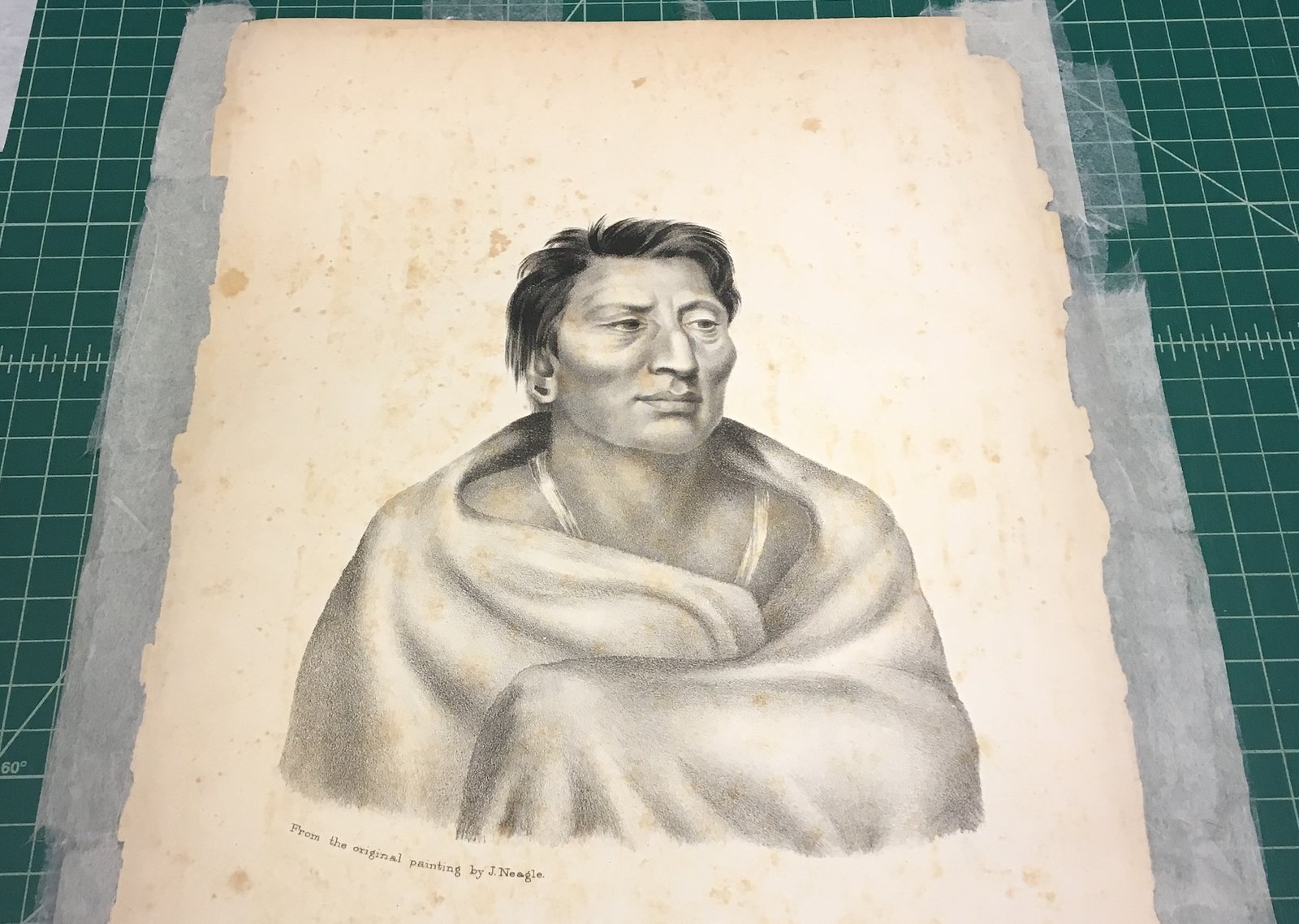
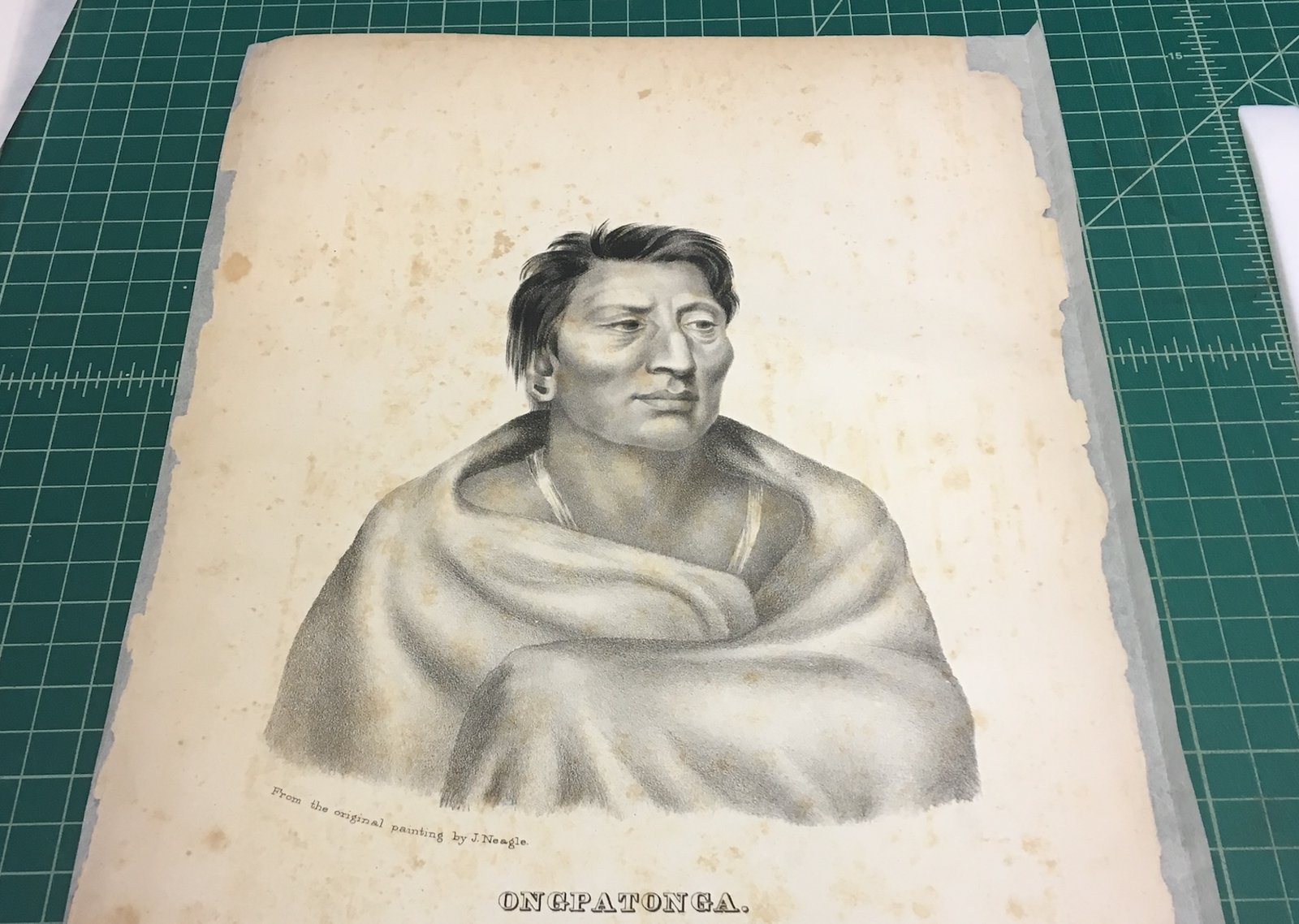
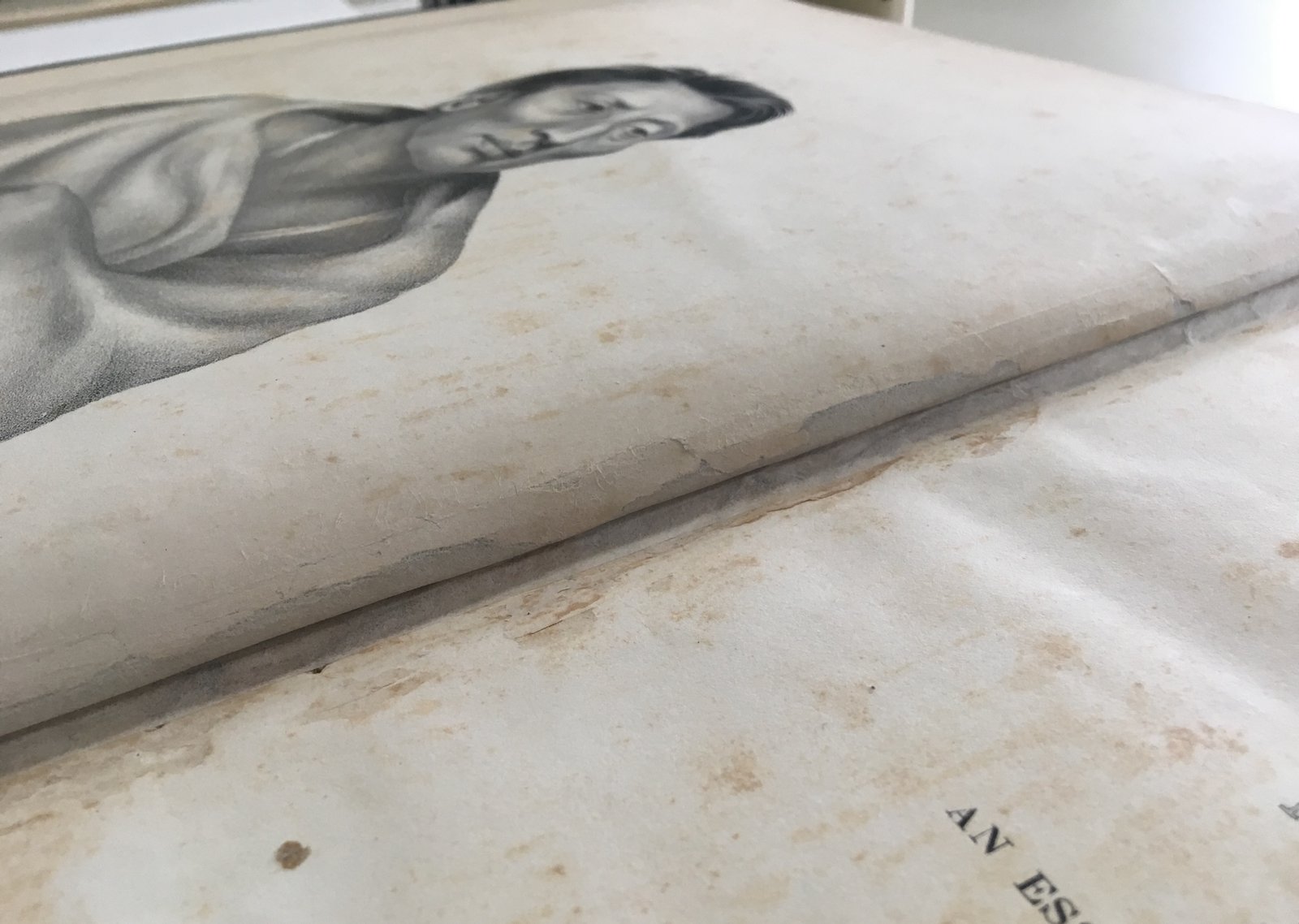
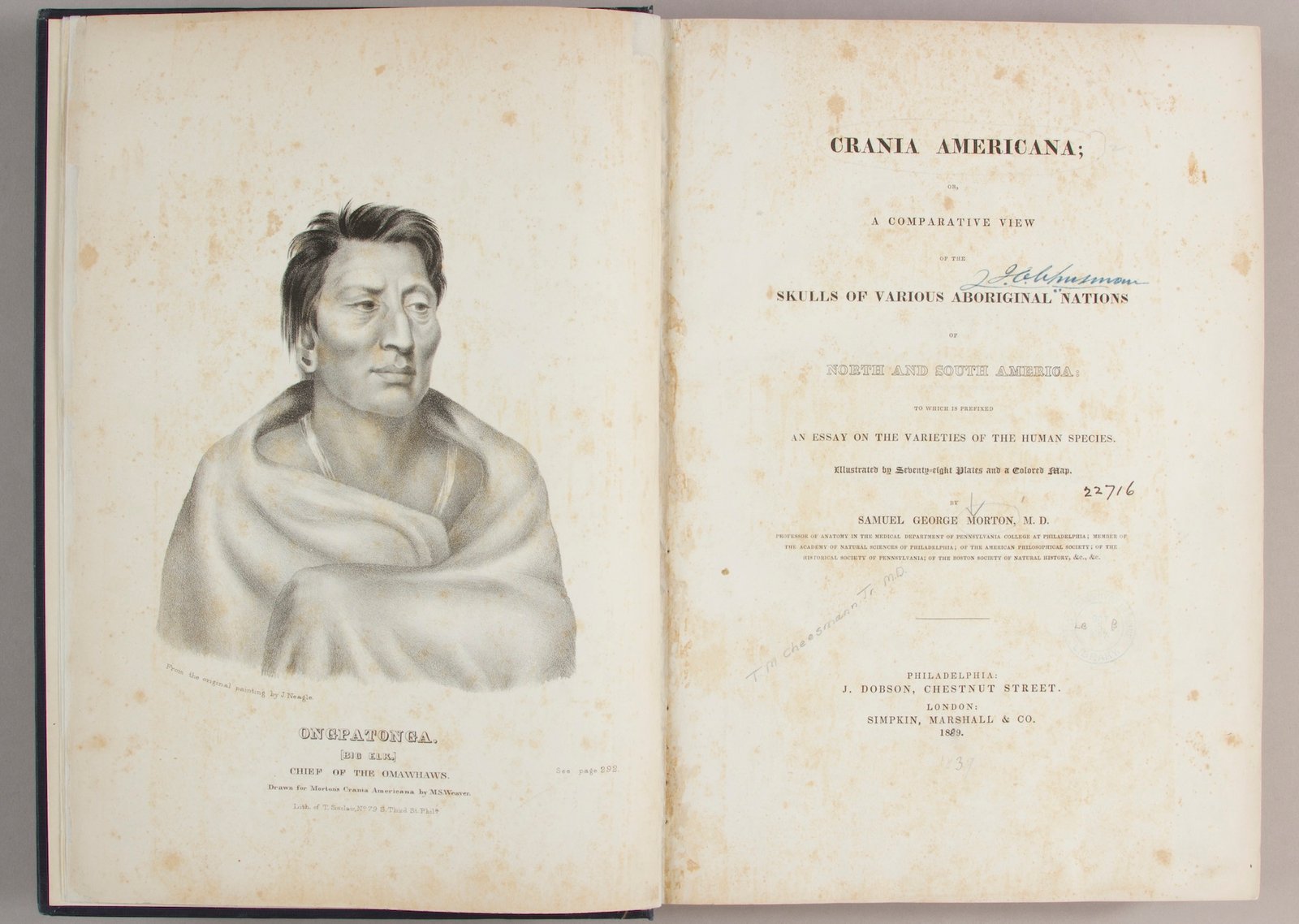
About the treatment: This book is a cloth case binding. The textblock was completely detached from the case with loose endpapers and a plate. The loose sheets were worn and had many tears along the edges. The plates and endpapers were mended with Japanese paper (Tengujo and Tosa Kozo) and wheat starch paste. The detached leaves were reattached to the textblock. A transverse lining of thick Japanese paper was attached to the spine, and then the textblock was reattached to the case by inserting the flange underneath the pastedown.
Tear Mending and Reinforcement of Superimposed Tabs
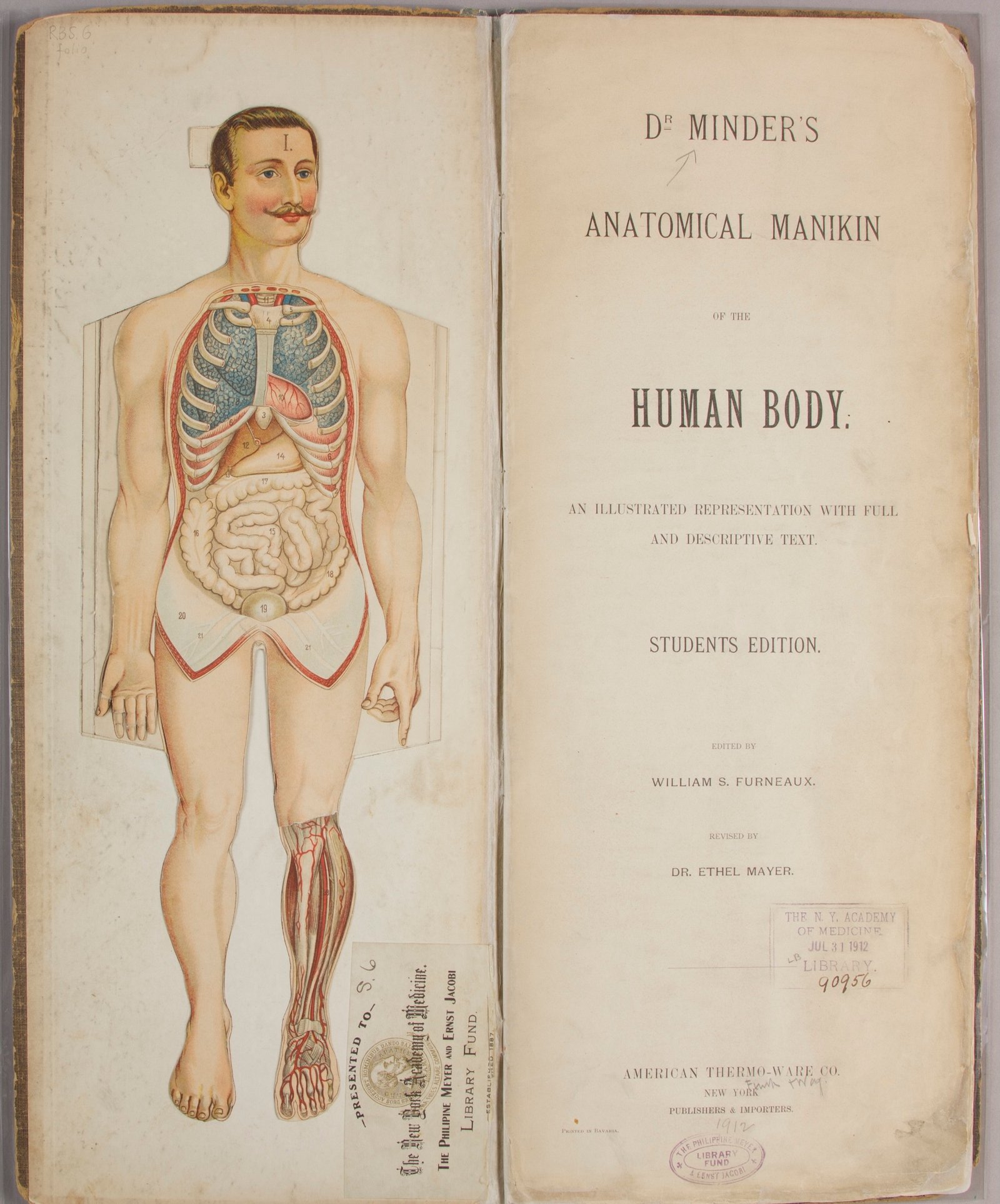
Title page with the outermost tab
First tab opened
First two tabs opened
Partially detached second tab
Reattached the torn hinge
Tentatively attached tab
Reattached and toned tab
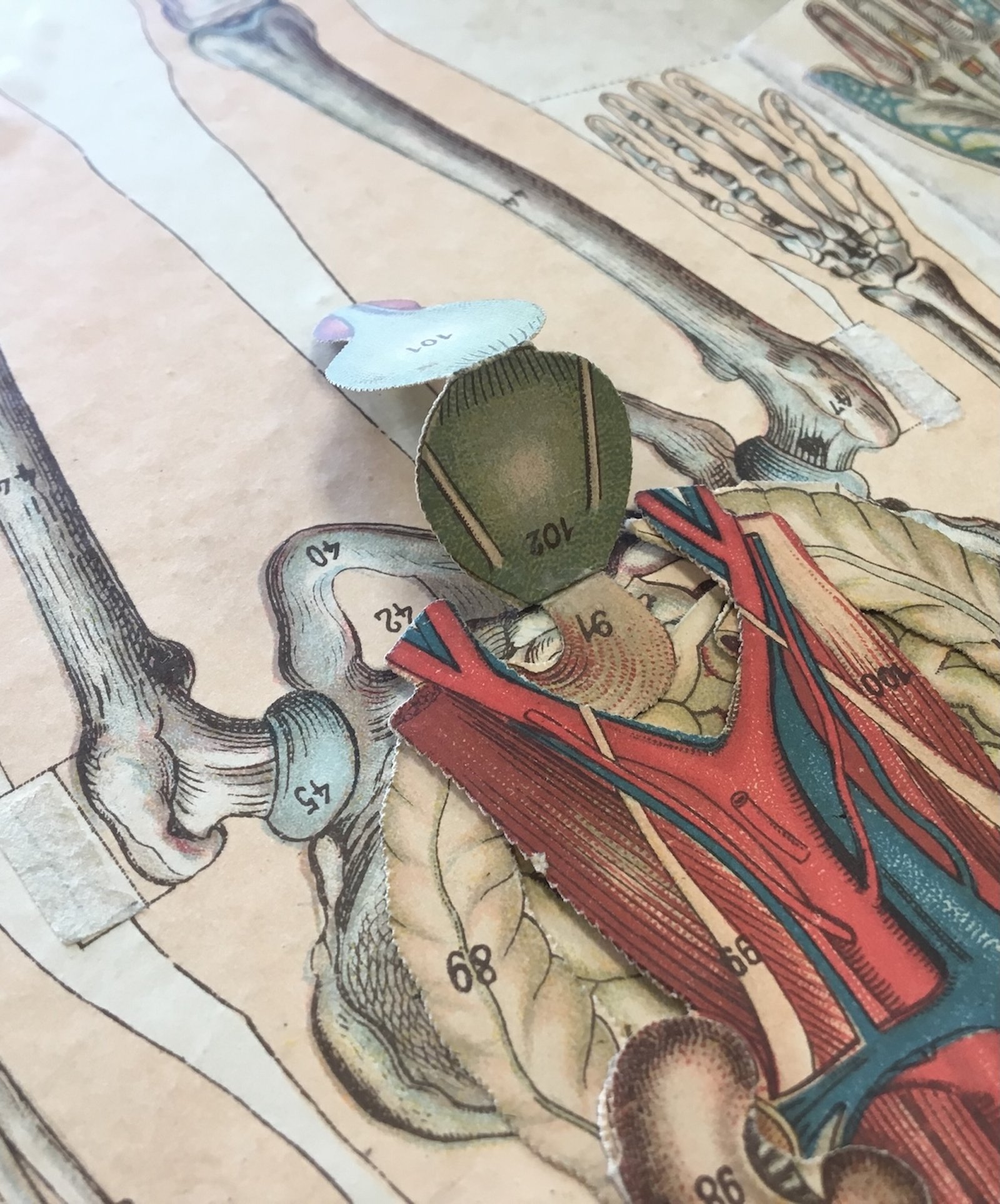
Reinforced folded tab
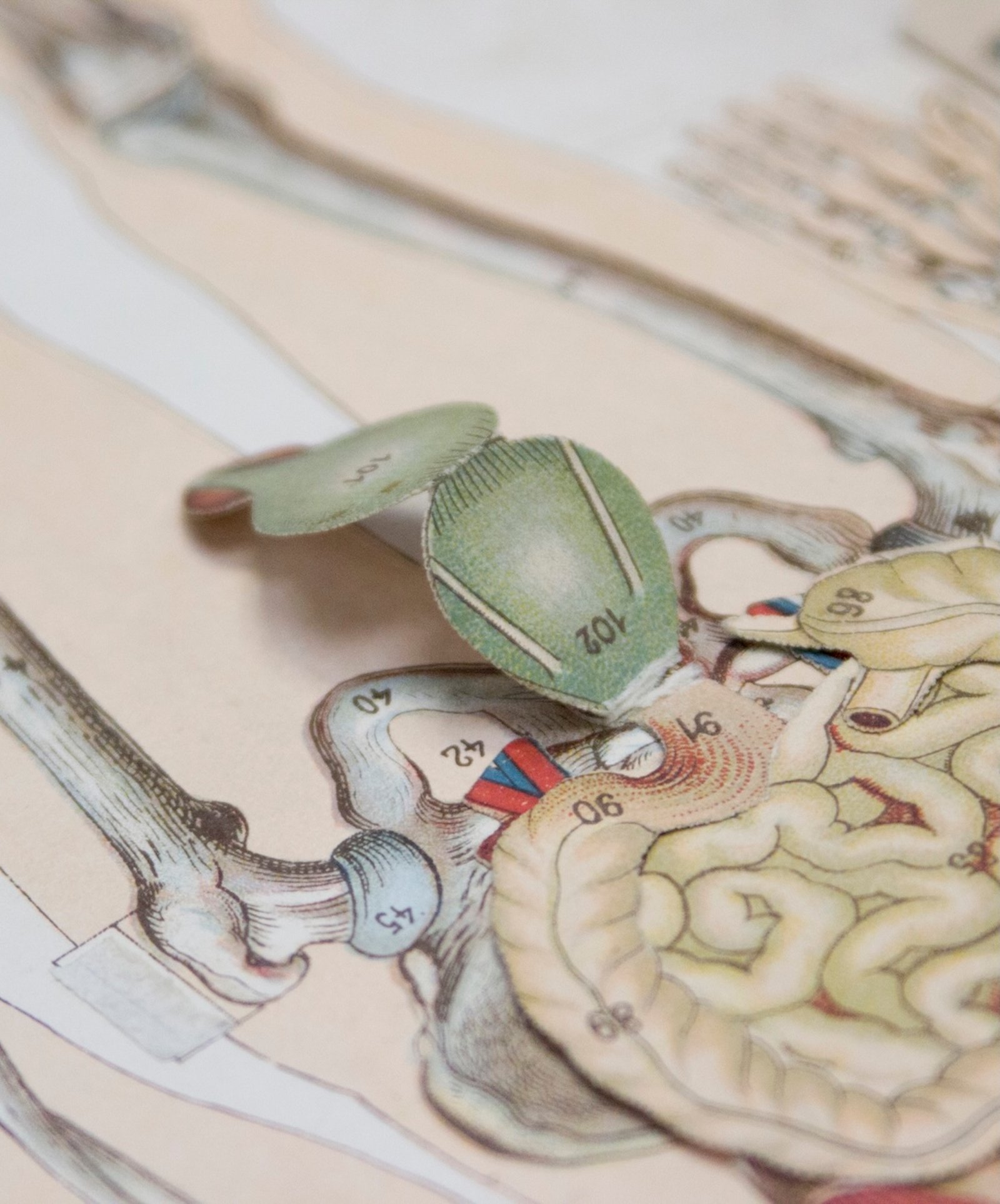
Tear mending on the inner organ tabs
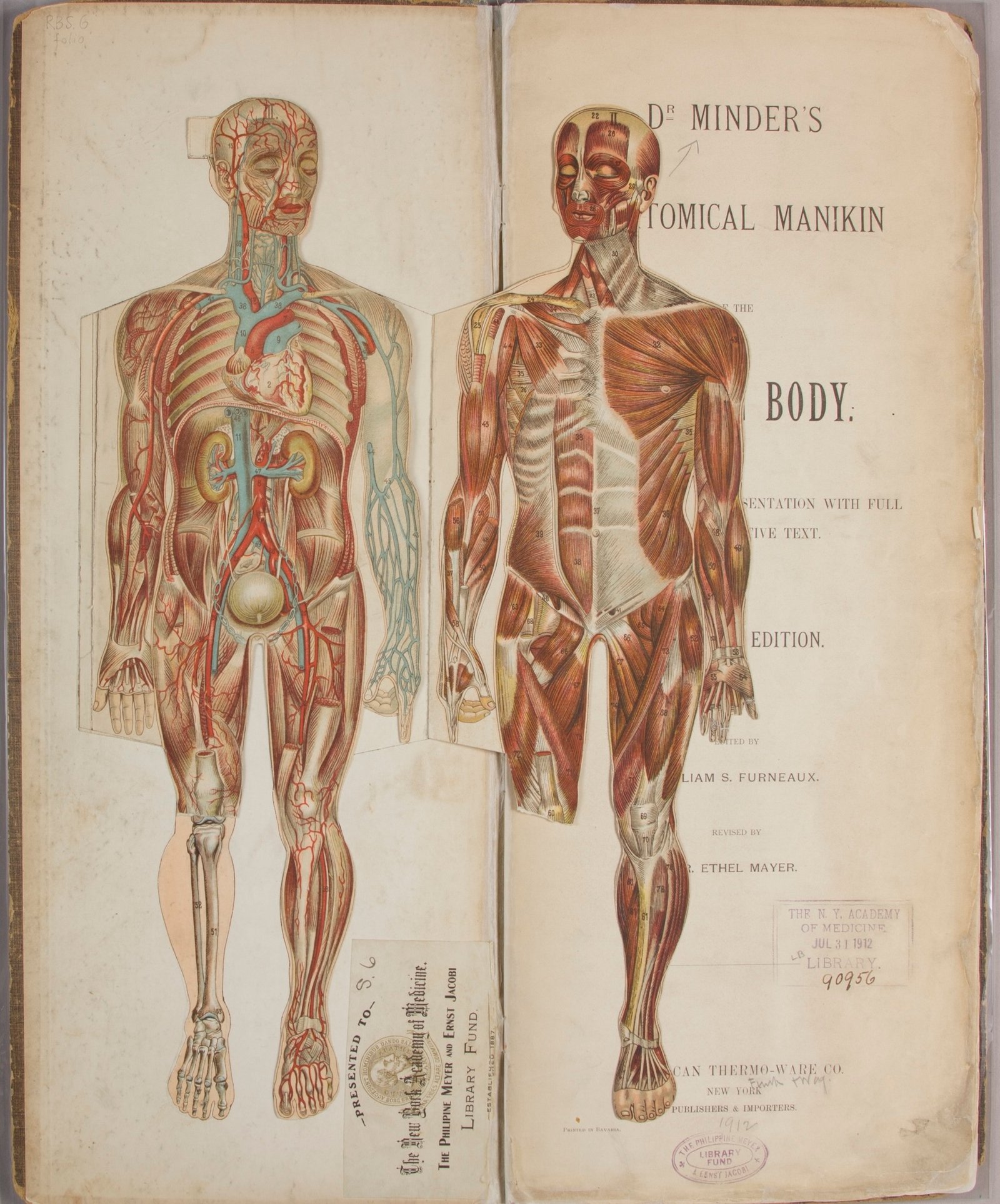
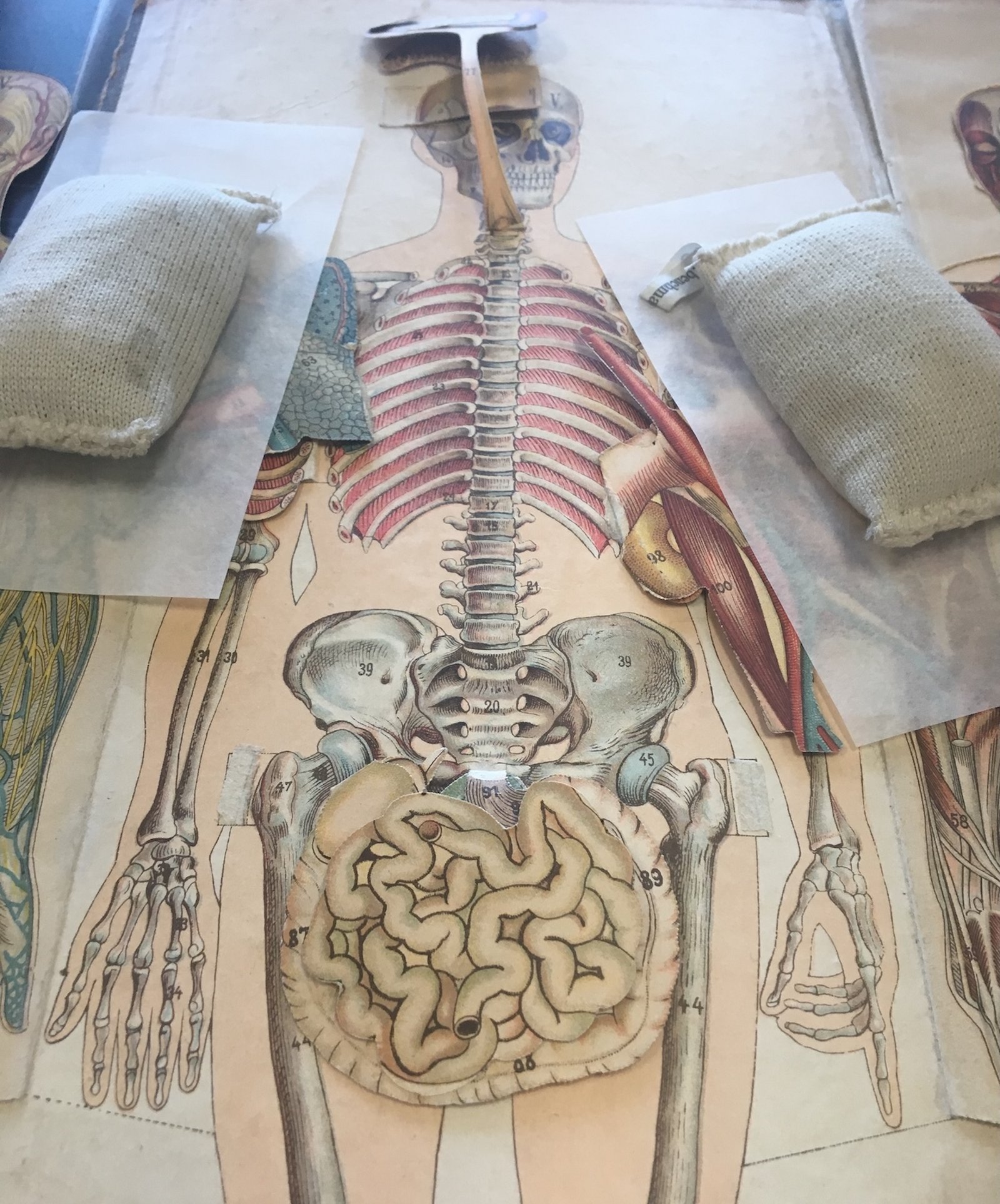
Title: Dr. Minder’s Anatomical Manikin of the Human body…
Author: William S. Furneaux
Date: [1900?]
Publisher: New York: American Thermo-Ware Co.
Treatment Date: February 2018
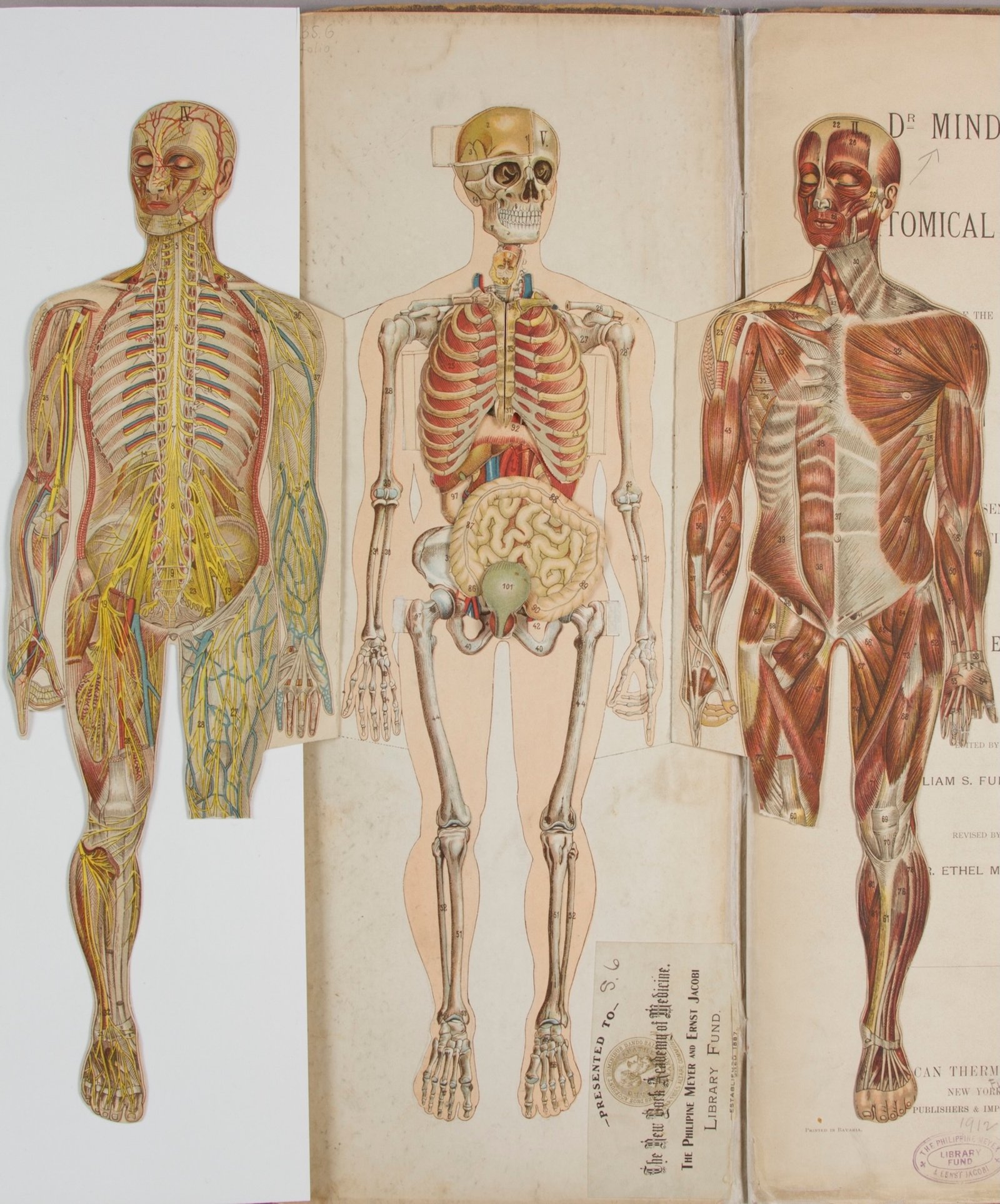
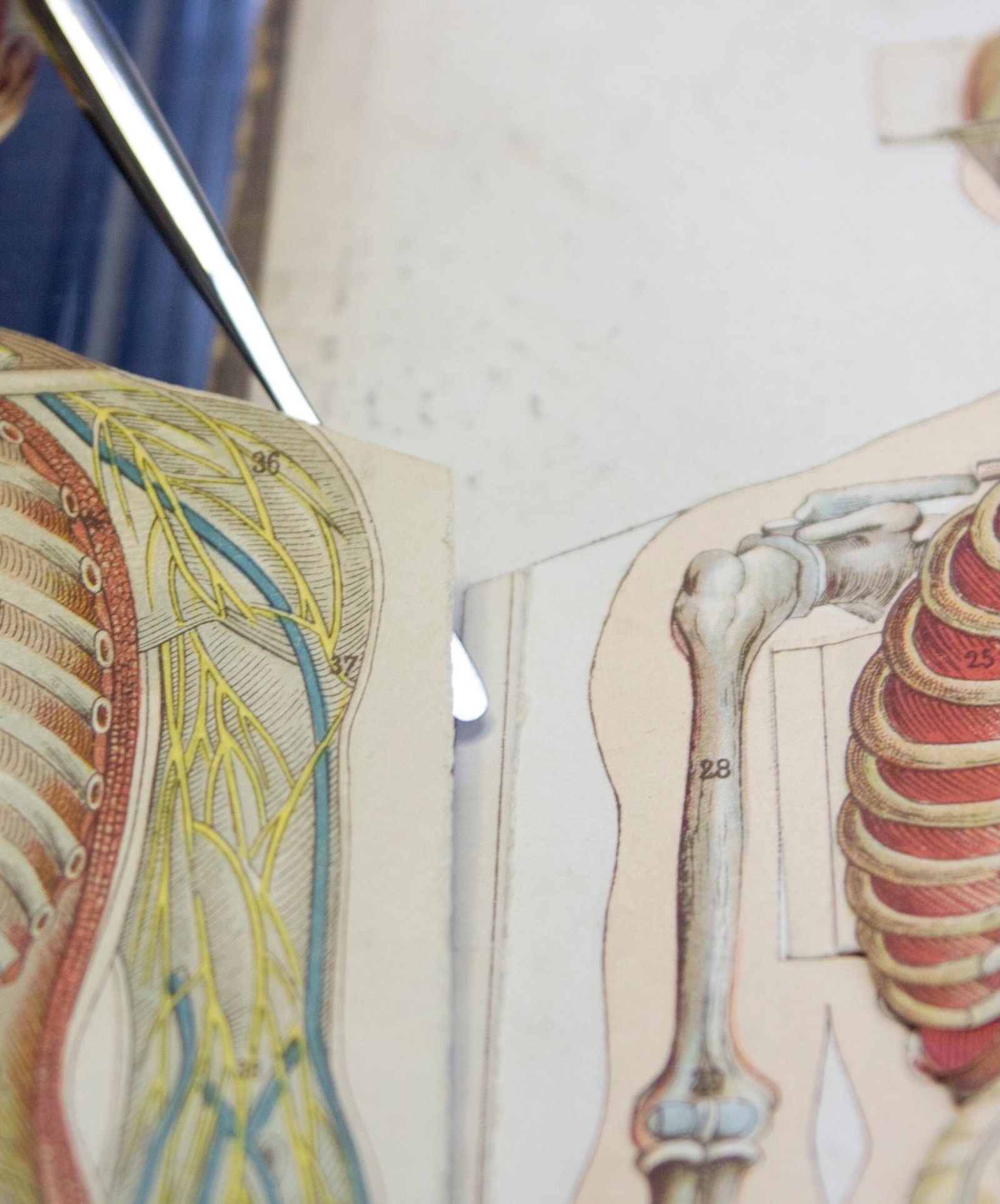
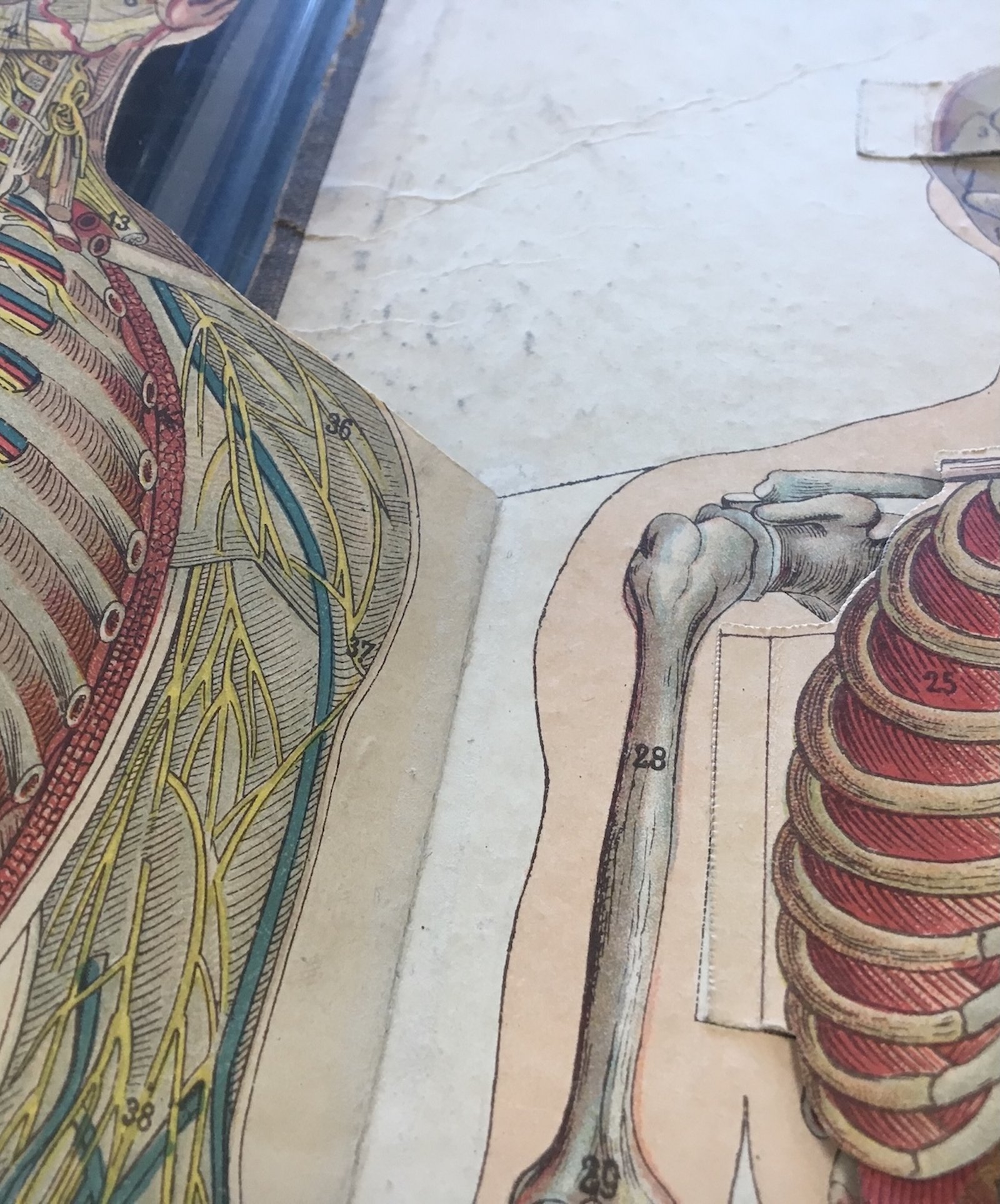
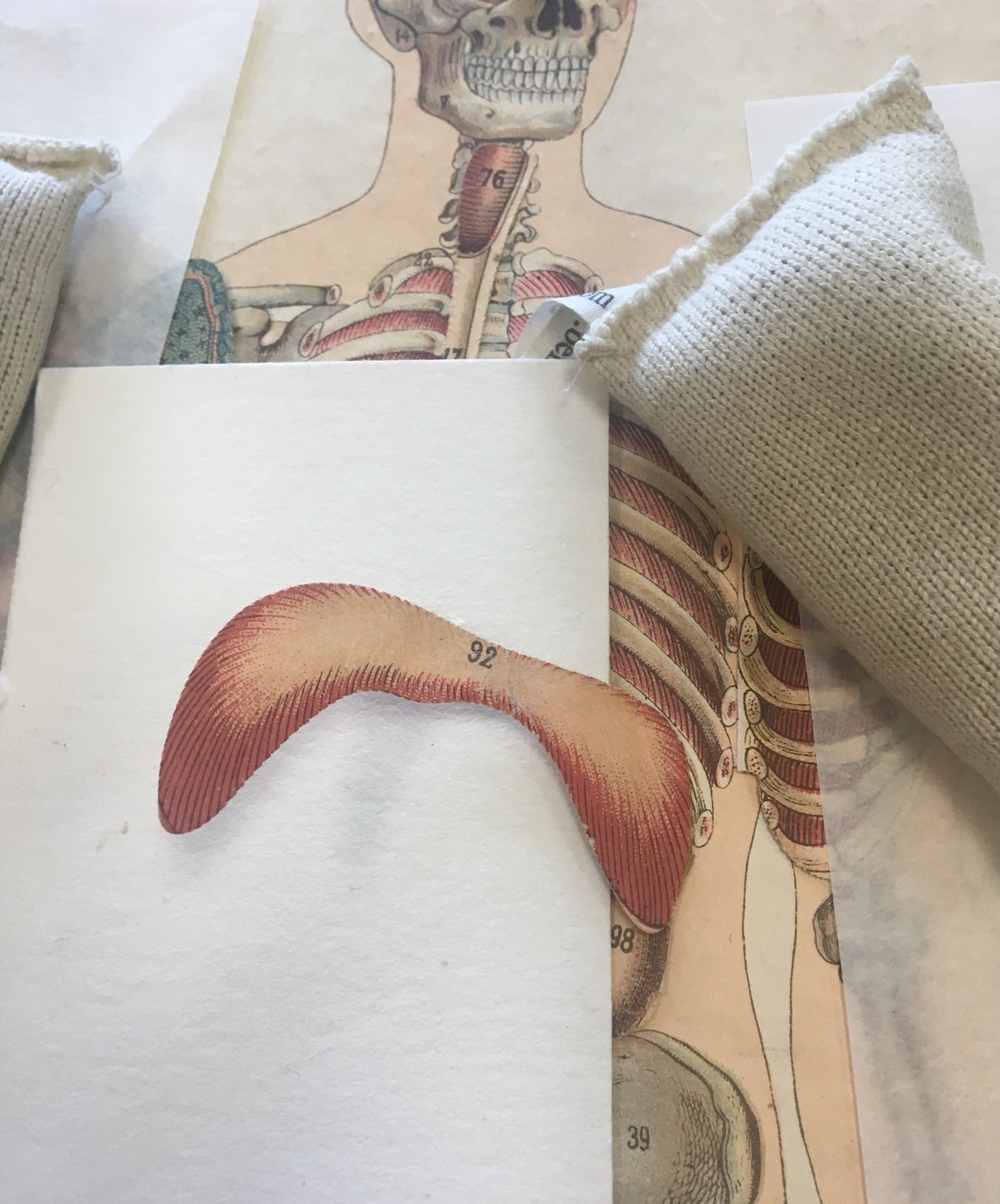
About the treatment: Three chromolithograph leaves of the male body are printed on both sides, which are attached by superimposing tabs. It provides successive interior views of the muscular system, nervous system, and organs. These flaps are attached on the facing page of the title page. The text pages were loose but the goal of the treatment was mending and reinforcing the tabs. I used Tengujo, wheat starch paste, and watercolor pencils for toning.